

A mesothelioma diagnosis can leave you with more questions than answers. You may suddenly be hearing unfamiliar medical terms, meeting new doctors, and trying to decide on treatments while you and your family are still processing the news.
Learning about mesothelioma and what to expect can make the first days and weeks after a diagnosis feel more manageable.
Many patients and caregivers have been in that same position. Looking back, they often share similar lessons about finding the right doctor, accepting help, understanding a prognosis, and adjusting to everyday life with mesothelioma.
Everyone’s experience is different, but their advice can help if you’ve just been diagnosed and aren’t sure what comes next.
1. You Don’t Have to Know Everything Yet
Many mesothelioma survivors knew little or nothing about the disease before they were diagnosed since the cancer is so rare. The first time Ellen Patton heard about pleural mesothelioma was when she learned she had it.

“My first question to the doctor was, ‘How do you spell that?’ I didn’t know anything about mesothelioma.”
There’s a lot to learn, but you don’t need to understand everything right away. Focus first on the information that can help you understand your diagnosis and what happens next.
Start by asking your care team about:
- Your type and stage of mesothelioma: Learn where the cancer started and whether it’s spread.
- Your pathology results: Ask what your test results mean for your diagnosis and prognosis.
- Your treatment options: Find out which treatments your doctor recommends and why.
- Your next steps: Make sure you know what happens next and when.
Keep a running list of questions and, when possible, bring someone you trust to appointments. They can take notes, ask questions, and help you remember what your doctor said afterward.
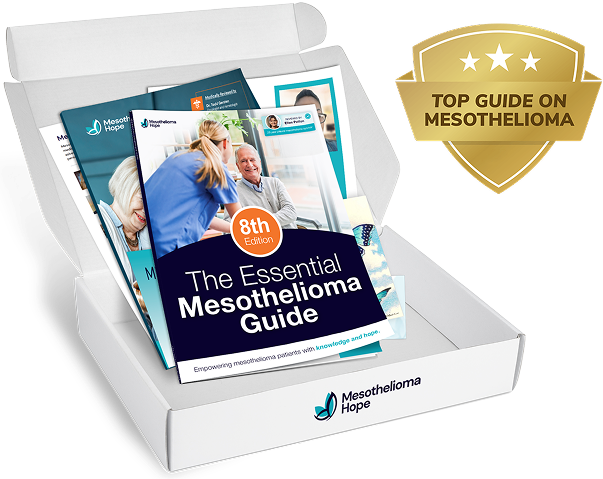
Get our Free Mesothelioma Guide to learn what to do after a diagnosis, explore treatment options, find specialists, and hear from other patients who have been through it.
2. Finding the Right Mesothelioma Doctor Matters
Mesothelioma is a rare cancer, so not every oncologist has treated it. A mesothelioma specialist will have more experience with available therapies, clinical trials, and surgical approaches.
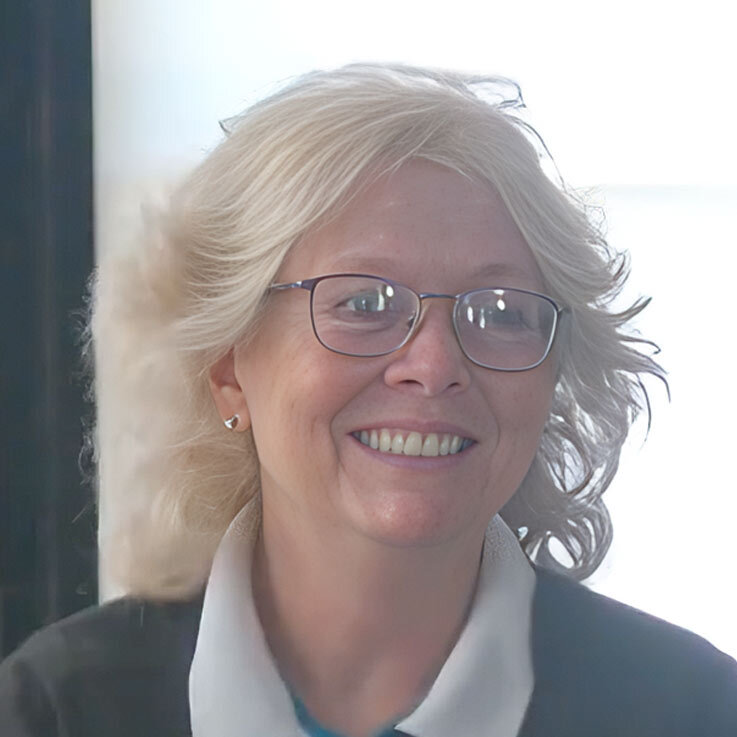
“Find a physician who understands mesothelioma. Not every oncologist understands it.”
Ellen sought opinions from several specialists after her diagnosis. Long-term survivor Julie Gundlach learned about specialists and other treatment options at a mesothelioma conference and eventually traveled from Missouri to New York City for care.
Jessica Blackford-Cleeton had severe stomach pain for more than a year before a biopsy revealed hundreds of tumors throughout her abdomen. She was referred to specialists at Cleveland Clinic and is now an 11+ year peritoneal mesothelioma survivor.
Getting a second opinion doesn’t mean your first doctor was wrong. Another specialist may confirm your plan or identify an option you haven’t considered.
3. A Prognosis Isn’t a Countdown
A mesothelioma prognosis is an estimate based on factors like cancer type and stage, overall health, age, and treatment response. It can help guide decisions, but it can’t predict exactly what will happen to you.
Julie Gundlach was given 6-12 months to live after her 2006 diagnosis and has now survived for more than 20 years. Ellen Patton was initially told she might have 12-18 months and has lived with pleural mesothelioma for more than 25 years.
Art Putt was also given roughly 6-12 months after being diagnosed with pleural mesothelioma.

“Originally, the doctor said he would have possibly six months to a year, and that was 8 years ago. I still got him.”
These exceptional outcomes aren’t predictions for other patients, but they show why a prognosis shouldn’t be viewed as a definitive outcome.
4. Let People Help You
Trying to manage mesothelioma on your own can quickly become exhausting. Accepting help may be uncomfortable if you’ve always been independent, but support can make treatment and everyday life more manageable.

“Mesothelioma is not a disease to travel alone. You can’t carry it alone, and you have trouble carrying it even as a family. Accept outside help.”
Jimmy Johnson’s wife Kelley became his caregiver and advocate, going to appointments and taking on more responsibilities as his physical health and abilities changed.
Jessica Blackford-Cleeton and her husband, Brandon Cleeton, faced similar changes after she was diagnosed at 32. Brandon helped her through surgery, chemotherapy, recovery, and the uncertainty of a rare cancer diagnosis.
Mesothelioma caregivers provide much-needed help for their loved ones facing a cancer diagnosis, but it’s important that they get support, too. They may be coordinating appointments and medications while also handling work, household responsibilities, and their own emotions.
How Friends and Family Can Help
Friends and family don’t have to know exactly what to say or solve every problem. Often, the most helpful support is taking a few practical responsibilities off the patient’s or caregiver’s plate.
Friends and family can help by:
- Going to appointments to provide rides, take notes, and help ask questions.
- Handling daily tasks like meals, prescriptions, shopping, or household chores.
- Helping with children or pets during treatment and recovery.
- Keeping others updated so the patient doesn’t have to repeat the same information.
- Making room for normal life by following the patient’s lead about when they do or don’t want to talk about cancer.
The type of help someone needs may change throughout treatment, so it’s often better to ask what would be useful now rather than assume. Brandon described his approach to caring for Jessica simply:
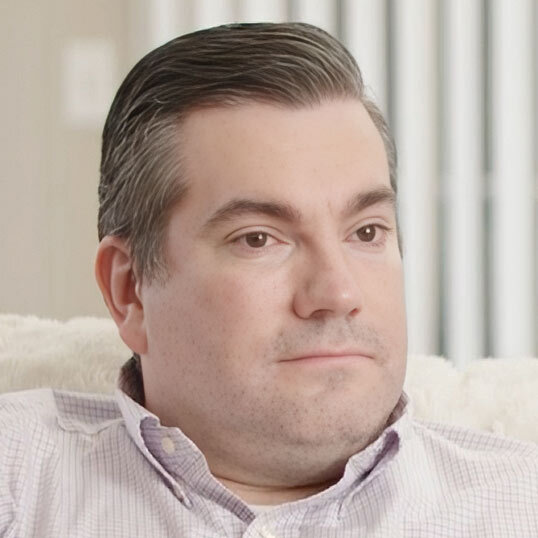
“I did whatever I could to get us through the next day.”
5. Mesothelioma Can Change Everyday Life
Mesothelioma and its treatments can affect your energy, breathing, ability to work, travel, and independence.
Jimmy Johnson worked in concert production for years, but eventually he had to stop due to his health. He reached a point where even walking to the mailbox was difficult. His wife, Kelley, also came off the road and took on responsibilities Jimmy could no longer manage.
If your symptoms or treatment side effects are impacting your daily life, tell your care team. Palliative care can help manage symptoms like pain, shortness of breath, fatigue, and stress alongside cancer treatment.
It’s also important to make room for things that have nothing to do with cancer. Julie Gundlach continues to enjoy hobbies and learn new things, while Kelley and Jimmy found that humor helped them through difficult periods.

“It’s all about humor. We’re going to have good days and bad days, and you want to have more of the smiles.”
6. You May Need Help Tracing Your Asbestos Exposure
Because mesothelioma can develop decades after asbestos exposure, you may not know where or when you were exposed. You don’t have to figure it out on your own.
Julie Gundlach believes she may have been exposed as a child through asbestos dust on her father’s work clothes.

“My father would come home from work, and I’d run up and hug him. He was covered in dust from a work site. We didn’t know that it included asbestos dust.”
Mesothelioma Hope partners with the law firm Simmons Hanly Conroy, which helped Ellen Patton investigate her exposure history and Jimmy Johnson trace his exposure to asbestos products used in music studios.
The firm has extensive records and databases to help identify asbestos exposure from decades ago and, if you qualify, pursue compensation for treatment and medical expenses.
Mesothelioma and Military Asbestos Exposure
If you served in the military, your service may be an important part of your exposure history. Walter Twidwell served in the U.S. Navy as a boiler tender and fireman, where he worked directly with asbestos-containing materials.

“I asked them what the material was made of, and they told me it was asbestos. Asbestos didn’t kill anybody on the spot. It took years later to start catching up with us.”
Simmons Hanly Conroy can also investigate military exposure and help veterans understand their legal options. You can learn more about mesothelioma resources for veterans, including potential VA benefits.
Get a free case review to learn where you may have been exposed and whether you could qualify for compensation.
7. Connect With People Who Understand Mesothelioma
Because mesothelioma is rare, even supportive friends and relatives may not fully understand what you’re experiencing. Talking with other patients and caregivers can provide a different kind of support.
Steve Fengarinas experienced this after his father, Teddy, was diagnosed with mesothelioma. He began searching for information to help his dad, but eventually felt like he’d hit a wall.
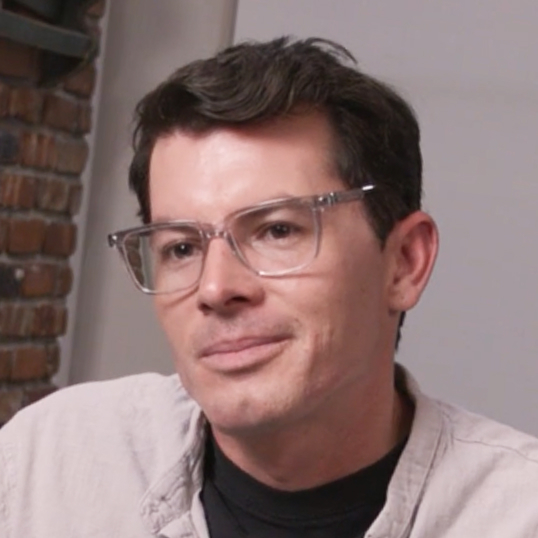
“When you’re in it, you feel like no one else could possibly understand what this is like. But there are people who do, and there are people who want to help.”
Mesothelioma support groups, peer mentors, and other families affected by the disease can provide practical advice and emotional support. Connecting with someone who has faced similar challenges can be valuable when those in your daily life don’t fully know what you’re going through.
Get support from people who understand by joining our Free Virtual Mesothelioma Support Group.

8. Hope Can Mean Different Things
Hope after a mesothelioma diagnosis doesn’t have to mean believing everything will turn out exactly as you want.
For one person, it may mean learning about another treatment. For someone else, it may mean reaching a milestone, taking a trip, spending time with family, or simply having a good day.
Julie has continued learning new things and looking for hope throughout her two decades as a survivor. Jessica has also shared her story to give hope to others after going from a diagnosis at 32 to raising two sons.
“You have to find the spark of joy. You have to find the hope and the spark of joy.”
Fear, anger, sadness, and uncertainty can exist alongside hope. There isn’t one right way to respond to a cancer diagnosis, and what gives you hope may change over time.
What to Do After a Mesothelioma Diagnosis
If you’ve just been diagnosed, you don’t need to understand everything or make every important decision immediately. Focusing on a few priorities can make the next steps more manageable.
Start with these six steps:
- Learn the basics of your diagnosis. Understand your mesothelioma type and the treatments your doctors are considering.
- Ask about a mesothelioma specialist. A specialist or second opinion may help you learn about other options.
- Bring someone to appointments. Ask them to take notes and keep a running list of questions.
- Tell your care team how you’re feeling. Ask for help with pain, breathing problems, fatigue, anxiety, or other symptoms.
- Document possible asbestos exposure. Think about your jobs, military service, and other places where exposure may have occurred.
- Accept help and connect with others. Let people take some everyday tasks off your plate and connect with others affected by mesothelioma.
You can work through these steps over time rather than trying to do everything at once. Our mesothelioma patient timeline can help you understand what may come next as you move from diagnosis to treatment and beyond.
Find Help After a Mesothelioma Diagnosis
You aren’t expected to become an expert on mesothelioma the day you’re diagnosed. Mesothelioma Hope can help you understand your diagnosis, find doctors, explore treatments, get support, and find out how you were exposed to asbestos.
Our Oncology Nurse Navigator, Liz Logan, RN, has spent more than 20 years in health care and works directly with patients and families navigating mesothelioma.

“I love advocating for my patients to ensure they receive the best care possible.”
Whether you have a specific question or don’t know where to begin, our team can help you figure out your next steps.
Call (866) 608-8933 or contact us online to start the conversation and get personalized support at no cost.