

If you or a loved one is facing mesothelioma, you should take special care to maintain proper nutrition before, during, and after treatment. Having cancer and experiencing treatment side effects can interfere with your nutritional needs and weaken your body.
Stanford Health Care suggests that cancer patients eat 5-9 servings of fruits and vegetables every day.
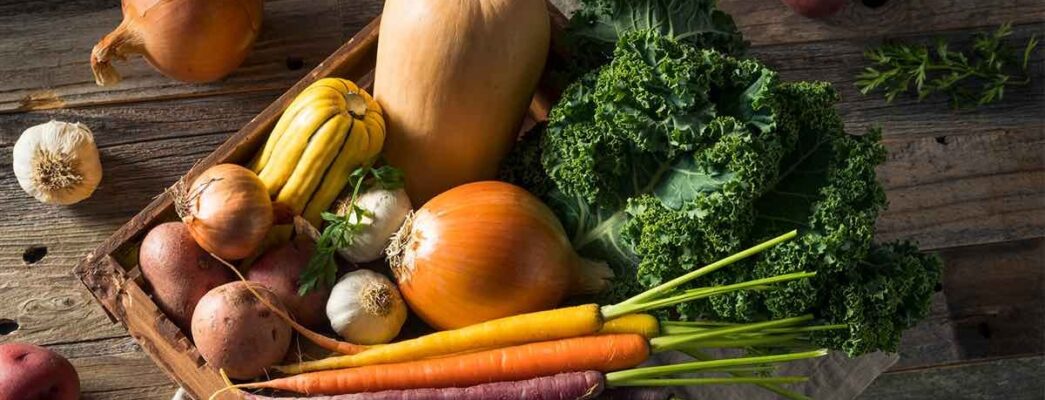
Fortunately, many fruits and vegetables hit their nutritional peak in the fall. Read more about mesothelioma nutrition and the in-season foods that can help you or a loved one heal.
Why Is a Healthy Mesothelioma Diet Essential During Treatment?
A healthy diet for mesothelioma patients is key during treatment as it can help improve your overall well-being and quality of life. It can also strengthen your body to help you recover from treatment and continue fighting this cancer.
Proper mesothelioma diet and nutrition can help you:
- Improve your energy level
- Keep your strength up
- Lower the risk of infection
- Maintain a healthy weight
- Recover more quickly
- Tolerate treatment side effects
Unfortunately, side effects from mesothelioma treatment may cause dietary complications, such as appetite loss and difficulty chewing or swallowing. Mesothelioma survivor Arthur Putt was told he might never eat solid foods again due to complications from chemotherapy and immunotherapy.
However, thanks to a careful liquid nutritional plan that blended anti-inflammatory vegetables, proteins, and fats, Art was able to recover and return to eating a solid diet.

“At one time, doctors told me I’d never eat solid food again, but we showed them wrong.”
Getting Vital Nutrients this November for Mesothelioma
Every patient undergoing mesothelioma treatment has different nutritional needs. For this reason, it’s very important to talk with your mesothelioma doctor about your diet.
Mesothelioma patients should ensure they’re getting enough:
- Carbohydrates: The biggest source of energy needed for organ functioning and physical activity
- Fats: Important for boosting energy, insulating tissues, and transporting vitamins through the blood
- Proteins: Strengthens the immune system and repairs body tissue after chemotherapy, radiation therapy, and surgery
- Vitamins, minerals, and antioxidants: Needed to help the body use energy and function properly
- Water: Vital to health because all cells need water to function
If you’ve been diagnosed with mesothelioma, our Free Mesothelioma Guide offers valuable information on treatment options and resources to support you every step of the way.
12 of the Best Cancer-Fighting Foods to Include this Fall
Fall fruits and vegetables include many cancer-fighting foods that can be beneficial during treatment. According to Dana-Farber Cancer Institute, many fruits and vegetables reach their nutritional peaks during autumn. There are also other options like cinnamon and chili peppers that can be used to add both taste and cancer-fighting nutrients to your diet.
1. Broccoli
Broccoli is high in vitamins C and K, folic acid, and fiber. It is also among the highest in calcium, magnesium, and iron. It also contains phytonutrients. People with diets high in phytonutrients tend to have lower rates of lung cancer, prostate cancer, and stomach cancer.
“Broccoli is the only [vegetable] with a sizable amount of sulforaphane, a particularly potent compound that boosts the body’s protective enzymes and flushes out cancer-causing chemicals.”
There are many ways to enjoy broccoli. It can be prepared as a main course, a side dish, or even eaten raw as a healthy snack.
Check out this recipe recommended by the American Cancer Society for creamy mac and cheese with broccoli.
2. Carrots
Carrots are another popular fall vegetable with cancer-fighting properties. They are high in vitamins K and A.
Carrots are one of the more versatile fall vegetables and can be:
- Blended as soup
- Boiled, roasted, or grilled
- Juiced and consumed as a liquid
Many people like to eat carrots raw as a snack. Research suggests that eating just one carrot per day adds a significant amount of fiber and vitamin K to a person’s diet.
3. Kale
Kale is part of the dark leafy vegetable group. It’s a powerhouse vegetable since it contains high levels of vitamins, calcium, iron, and fiber. Kale often gets labeled as a superfood because of its high nutrient density.
However, one thing to keep in mind about kale: make sure it’s cooked. Raw kale can cause digestive problems that may lead to discomfort for mesothelioma patients.
“Kale is a top choice because it’s rich in phytonutrients called indoles, which stimulate liver detoxification and help fight cancer.”
4. Sweet Potatoes
In addition to containing 520% of the recommended daily allowance of vitamin A, sweet potatoes also contain carotenoids. These help in controlling cell growth, according to the American Institute for Cancer Research.
Sweet potatoes can be eaten baked, just like traditional potatoes. Since baking takes a long time, it is helpful to bake several at once and store them in an airtight container for leftovers.
Tip: Top baked sweet potatoes with sour cream or cheese to add calories and fat to your diet.
There are many other ways to prepare sweet potatoes, including pureeing them into soup, roasting them with herbs, and even making sweet potato fries.
5. Apples
Apples are high in vitamin C, fiber, and antioxidants. They also contain a nutrient called quercetin, which protects cells’ DNA from the damage that causes cancer.
Kale is a top choice because it’s rich in phytonutrients called indoles, which stimulate liver detoxification and help fight cancer. The key is to eat them raw and with the skin on. That’s where many of the nutrients are found.”
In addition to eating them raw, apples can be added to salads, made into chips, or baked into muffins.
Take the first step toward healthier eating during treatment with our Free Nutrition Guide. Download it today for tips to support your health and well-being.

6. Cranberries
Cranberries contain benzoic acid, which has been shown to slow the growth of lung cancer, colon cancer, and certain types of leukemia. Cranberries can be added to bread, muffins, or salads. They are also a staple at many Thanksgiving tables.
Due to the health benefits of eating cranberries for cancer patients, it is a good idea to buy bags of them while they are in season and freeze them to eat throughout the year.
7. Grapes
Grapes contain the antioxidant resveratrol, which is believed to help prevent some cancers. Because the skin has the most antioxidants, grapes should be eaten with the skin on. Additionally, red and purple grapes are higher in resveratrol than green grapes.
Grapes can be enjoyed as a snack, added to salads, and even incorporated into hot dishes.
8. Pumpkin
While many argue whether pumpkins are a fruit or a vegetable, it can’t be disputed that they are packed with the cancer-fighting nutrient carotenoid. Pumpkin can be added to soups, smoothies, pies, and even ravioli.
9. Avocados
Easy to eat and recommended for their anti-cancer properties, avocados are considered a superfood for many reasons.
Avocados contain helpful nutrients like:
- Phytochemicals that help prevent cancer
- Unsaturated fats, which are a key nutrient
- Extracts that can help fight cancer and slow down cell growth
While some cultures treat avocados as a fruit, they’re most often added to tacos, sandwiches, and rice bowls for a satiating and nutritious boost.
10. Tofu
Growing in popularity over recent years, tofu has become a staple in most grocery stores. Made from soybeans, tofu is not only extremely versatile, but research shows that it has cancer-preventing properties and can help lower cholesterol.
As an excellent source of plant-based protein, soy is also an undeniable superfood.
Fermented tofu, known as tempeh, has more protein than any other vegetable at about 30 grams per cup.
The options for cooking tofu are as numerous as its benefits. You can eat it raw as edamame, stir it into your favorite dishes, or add it to soups and salads. Tofu typically takes on the flavor of whatever you’re cooking, so feel free to toss it into your next meal for an extra boost of nutrition.
“Current research continues to support inclusion of soy foods in the diet for general cancer prevention and for people with cancer.”
11. Cinnamon
Cinnamon is a popular spice that can be added to many dishes, including pies, cookies, cakes, and drinks. Ongoing research is studying how cinnamon and acids from it could be used to help cancer patients live longer.
For example, Life reported that cinnamon extracts could potentially help block blood vessels that hematological (blood) cancers need to survive. Cinnamic acid was also recently tested along with caffeine extracts as a possible antioxidant and treatment for pleural mesothelioma.
12. Chili Peppers
Chili peppers add heat to recipes, which can be very helpful for patients struggling with appetite loss and issues involving taste. They also contain a compound called capsaicin that has shown promise in augmenting mesothelioma treatment plans.
A recent study from Nutrients found that capsaicin could make mesothelioma cells more susceptible to chemotherapy, which is one of the benchmark treatments for many patients.

“There is evidence that capsaicin may sensitize mesothelioma cells to chemotherapy, making treatment more effective, and that it may reduce the spread of mesothelioma.”
What Foods Should You Avoid With Mesothelioma?
Just as some foods are beneficial for cancer patients, some foods can negatively impact your treatment and cause more harm than good.
Here are 4 foods to avoid while being treated for mesothelioma:
- White sugar. Eating white sugar raises insulin levels, which can cause inflammation and make mesothelioma symptoms worse.
- White-flour-based foods. Refined white flour has no nutrients and can spike blood sugar levels, leading to inflammation. Whole grains are a better choice.
- Processed meats. The added preservatives in processed meats can be harmful. A wide range of studies show that a plant-based diet is a better option during cancer treatment.
- Fried foods. Frying foods over high heat in oil can create a chemical called acrylamide that has been linked to cancer. Baked or grilled foods are better alternatives.
Although they aren’t foods, you should also avoid alcohol and tobacco while receiving mesothelioma treatment. Both can have serious negative effects on your health and make treatment less effective.
Help Mesothelioma Patients Enjoy Thanksgiving This Year
For families who can get together on Thanksgiving, it’s one of the most memorable times of the year. With a little help, the mesothelioma patient in your family can join in the festivities too.
Consider these tips for helping your loved one on Thanksgiving:
- Help them get their plate: From the weight of glass holiday plates to other kids and people rushing to get their food, some mesothelioma patients may have a difficult time serving themselves on Thanksgiving. Consider asking your loved one if they’d like assistance with getting their food this year. Even if they’re too proud to ask for help, they may be grateful for the offer.
- Choose easy foods to eat: Pick foods that are the best fit for their dietary needs. This may mean more vegetables and less dessert, but helping them choose foods that are compatible with mesothelioma treatment is a great way to benefit their health.
- Help them cut their food: It’s recommended that cancer patients eat small portions. By offering to cut their turkey and other foods into bite-size portions, you can make a world of difference to your loved one with mesothelioma.
- Ensure they have comfortable seating: Your relative with mesothelioma may be limited in where they can comfortably sit. Take a minute to ask them where they’d like to eat and help them get situated.
Get Help With Mesothelioma Nutrition and Much More
As fall and Thanksgiving bring comforting, seasonal foods, maintaining a healthy diet can play a key role in supporting strength and well-being during your mesothelioma journey.
Good dietary choices can keep you feeling energized and balanced before, during, and after treatment. In the meantime, our Patient Advocates are here to help you navigate nutrition and other aspects of life with mesothelioma.
Contact us at (866) 608-8933or download our Free Mesothelioma Nutrition Guide to get the help and support you need.