

When Theodore “Teddy” Fengarinas was diagnosed with mesothelioma, his family was suddenly thrust into a world of fear, confusion, and uncertainty. In a recent interview, Teddy’s son Steve shared how he navigated the harrowing months following his father’s diagnosis, from learning about the disease to managing treatments and supporting his grieving mother.
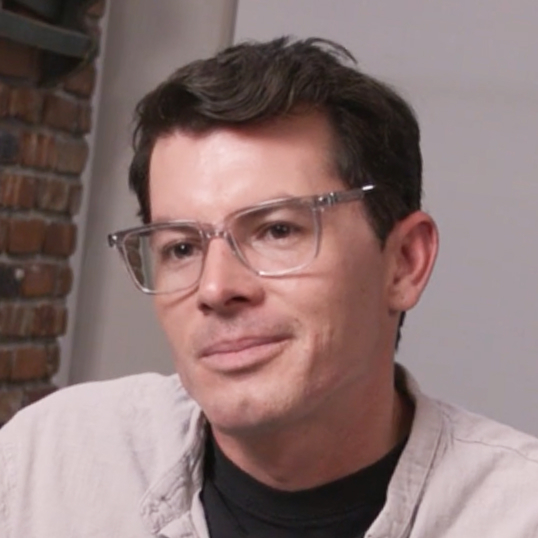
“I hope people can understand that this isn’t our fault. This is a man-made thing, and we’ve all lost loved ones. We’ve all been there, we’ve struggled, and there’s no reason to think that you’re in this alone. There are countless families out there that are struggling.”
He credits Mesothelioma Hope for providing the guidance, resources, and compassionate support that helped him find a community of people who understood what he was going through and the confidence to pursue legal action.
With our team’s help, Steve was able to secure meaningful compensation for his family while staying by his father’s side through every step of his journey.
Teddy’s Story: Life as a Veteran and Mechanic
Teddy Fengarinas lived a life defined by service and hard work. After serving in the U.S. Army as a cook in Germany during the Vietnam era, he returned home to New York and began a career with Nassau County.
Teddy started as a mechanic’s helper, later becoming a heavy equipment operator and eventually a highway maintenance supervisor. But it was in these roles that he encountered an invisible danger that would shape the rest of his life: asbestos.
Steve recalled the everyday tasks that unknowingly exposed his father to the deadly fibers: “All the brake pads that he was changing in the garage all had asbestos in them. He was blowing out all the dust, working around heavy equipment, pickup trucks, you name it. That was his job every day.”
Using asbestos-containing materials was a widespread industry practice, and like so many others of his generation, Teddy had no way of knowing the harm they could cause decades later. Even with a lifetime of careful habits and a healthy lifestyle, he could not escape the dangers of the materials he was exposed to.
“Everybody knows what asbestos is. We were told, ‘Don’t touch it, it won’t hurt you.’ But that’s not true. Asbestos kills, and I’ve watched it happen.”
For decades, Teddy handled his responsibilities with dedication, never imagining that the work he did to support his family would later cost him his life.
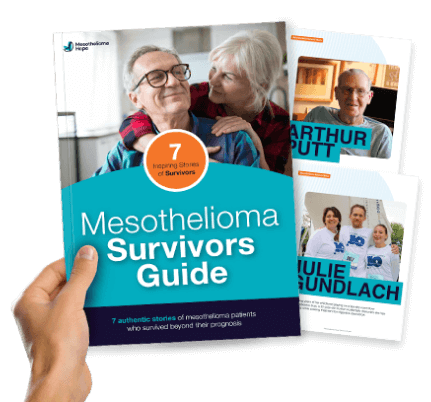
We’ve helped many families like the Fengarinases navigate life after a mesothelioma diagnosis. Read more of their stories in our Free Survivors Guide.
Diagnosis and Early Struggles
The first symptoms were subtle: a persistent fatigue and chest heaviness that Teddy’s family initially attributed to age. But then things got worse.
“He went to our summer house in Pennsylvania, still chopping wood, still doing house chores, and all of a sudden he just couldn’t breathe,” Steve recalled.
A visit to the hospital revealed Teddy was facing something serious, as they found 5 liters of fluid in his chest. The subsequent tests delivered painful news: he had pleural mesothelioma.
“It was really confusing at the time to figure out what we were going to do next,” Steve said. “You know about mesothelioma because of the TV commercials, but we didn’t really know exactly what it was.”
After the diagnosis, the family’s daily life shifted. Steve stepped into a new role as his father’s mesothelioma caregiver, handling medical appointments, treatments, and the logistical challenges that came with all of it.
“I started making all the doctor’s appointments. I started needing to take him to the doctor, get treatments, all that stuff,” he explained. “My mom wasn’t really capable of handling it emotionally — she was a mess. She knew he was going to die, and there was nothing she could do about it.”
Seeking Mesothelioma Treatment
Teddy initially underwent immunotherapy, followed by years of chemotherapy and intermittent radiation.
“In the beginning, it wasn’t so bad getting him to the treatments because he was still somewhat healthy, and he didn’t have too much of a physical ailment yet,” Steve explained. “As time went on, it got really hard to get him up and moving. After the first year and a half, we were dragging him to treatments.”
He received chemotherapy every 3 weeks for 3 years. The side effects were hard on him, causing him to be sick and unable to eat after his sessions. Through it all, Teddy faced the disease and treatment with the same resilience he had shown throughout his life, but the toll on his family was immense.
“It was a jarring experience,” Steve said. “He lived such a good life, he did everything right, and for someone like my father to get diagnosed with this disease, he just didn’t deserve that at all.”
How Mesothelioma Hope Supported the Fengarinas Family
After Teddy’s diagnosis, Steve quickly realized just how much his family would need to navigate. While there was information online, Steve wanted something more personal — someone who could provide guidance, reassurance, and a sense that they weren’t facing this alone.
“I had done some research, and I kind of hit a wall. Then I found Mesothelioma Hope. I didn’t know what to say or how to explain the situation, but the woman I talked to made me feel like it was okay to get vulnerable and share my story, to tell her what was going on, and express my own personal pain and grief.”
Beyond emotional support, Mesothelioma Hope provided practical guidance, sending Steve personalized information and resources, including lists of local support groups and guidance on treatment options.
“It felt really good that there were people willing to do whatever they could to help us in the situation that we were in,” Steve said. Connecting with a real human being who understood the complexities of mesothelioma was transformative.
“Just hearing somebody say, ‘Me too, I know what you’re feeling, I know what’s going on in your head right now’ creates an environment where you can feel a little bit safer,” he explained. “It was a big game-changer for me to be able to talk to other people who have struggled with this and know that I’m not alone.”
Mesothelioma Hope gave Steve and his family a lifeline during a time of fear and uncertainty, helping them navigate the emotional and medical challenges of a mesothelioma diagnosis that no one could have prepared them for.
If you’re looking for a supportive environment for yourself or someone you love, sign up to join our virtual Mesothelioma Support Group.

Pursuing Accountability and Compensation
As Teddy’s illness progressed, another reality set in for Steve. His father’s cancer wasn’t just a tragedy — it was preventable. Like many families facing mesothelioma, the Fengarinases began to understand that the disease was caused by asbestos exposure decades earlier, without any warning of the health risks.
“This wasn’t something that just happened. This was something that was done to him.”
Still, the idea of pursuing legal action felt intimidating. Steve was already managing his father’s care and carrying the emotional weight of watching someone he loved deteriorate.
“You’re overwhelmed, you’re grieving, and you don’t even know where to start,” he explained. “It’s not like you wake up one day and say, ‘I’m going to sue somebody.’” What he needed was guidance, not pressure.
Through Mesothelioma Hope, Steve was connected with mesothelioma lawyers who understood the medical realities of this disease and the emotional pain of families living through it. The compensation they pursued helped cover medical costs and eased the financial strain that often accompanies long-term cancer treatment.
“They walked me through everything,” Steve said. “They explained what the process looked like, what my dad would need to do, and what I would need to do — and they did it in a way that didn’t feel overwhelming.”
For Steve, filing a mesothelioma lawsuit was never about anger or revenge. It was about responsibility and protecting his family. “My dad worked hard his whole life. He did what he was supposed to do,” he said. “The least these companies could do is take responsibility for what they exposed him to.”
Just as important, the legal process gave Steve a sense of purpose during an otherwise powerless time. “When everything else felt out of control, this was something I could do for him,” he reflected. “It was a way to stand up for my dad when he couldn’t stand up for himself anymore.”


Steve shares the story of his father, a U.S. Army veteran who was later diagnosed with mesothelioma after years of asbestos exposure. He explains why his family decided to pursue legal action and seek accountability for what his father went through. View Transcript.
Duration: 3 min 26 sec
My name is Steve, and my father was diagnosed with mesothelioma. He was incredibly proud of being in the military. He was drafted and sent to Germany, where he served as a cook during the Vietnam War. Being a veteran was the proudest part of his life, and it was something he loved to share with others. He would always salute random strangers wearing veteran hats. When my brother signed up for the military, watching my dad take so much pride in seeing him follow the same path meant everything. He was truly special.
After coming home from the military, my dad got a job with the county as a mechanic’s helper. He worked in a garage where they were constantly blowing out brake pads and dust. The brake pads he worked with all contained asbestos, and he was exposed to it every day. We also had a summer house in Pennsylvania, and one summer while chopping wood and doing work around the house, he suddenly couldn’t breathe. It felt like a heavy weight on his chest. He was taken to the hospital, where doctors discovered he had a pleural effusion with five liters of fluid in his chest. After surgery, the doctor came in and told him he had mesothelioma.
At first, getting my dad to treatment was fairly easy because he was still somewhat healthy. About a year and a half in, it became extremely difficult. Physically, he just couldn’t handle it anymore. Every three weeks he was getting treatment, and every other week he was going in for MRIs and CAT scans. It became an exhausting cycle of treatment, scan, MRI, over and over again. It drained him, and it drained me. It was just a lot to handle.
What hurts the most is that I was really looking forward to making him a grandfather. I dreamed about bringing a baby home to him one day, and now I’ll never get to do that. There was no reason for him to die. Asbestos is what caused all of this.
We decided to pursue a lawsuit because this wasn’t my dad’s fault, and what happened to him wasn’t fair. He deserved compensation for what he went through. The law firm did so much for us. They helped us navigate the entire situation and were always checking in—asking how we were doing, how my dad’s treatments were going, and genuinely caring. I developed a real relationship with them. They would call just to see how my dad was doing, even when they didn’t have to. That meant so much to us.
Even months after my father passed away, they still called to check in. They felt like family. We felt like we were part of their team, and that they were truly there to take care of us. It was never about what they were going to get out of it. They wanted us to feel supported, safe, and cared for during one of the hardest times of our lives.
Dealing With Mesothelioma Grief
After Teddy passed away, the quiet that followed was heavy. The loss Steve felt was that of a father and a presence who had shaped his life in countless ways. Grief came in waves, some expected and others catching him off guard.
“You don’t realize how much someone is part of your day-to-day life until they’re gone,” Steve reflected. “There are moments where you think you’re doing okay, and then it hits you all over again.”
Looking back, Steve carries both gratitude and regret. Gratitude for the time they had, and regret for the moments he wishes he could relive. “I wish I were just there a little bit more,” he said. Those thoughts still surface, but they’ve also shaped how Steve thinks about showing up for others now.
Sharing Teddy’s story has become part of that process. Steve knows how isolating a mesothelioma diagnosis can feel, especially for family members who suddenly become caregivers and decision-makers.
“When you’re in it, you feel like no one else could possibly understand what this is like. But there are people who do, and there are people who want to help.”
That’s why Steve continues to speak openly about his experience. If another son, daughter, or spouse hears his story and realizes they’re not alone or feels empowered to seek support, ask questions, or pursue accountability, then sharing it is worth it.
“If telling our story helps even one family feel a little less lost, then my dad’s experience can mean something beyond just our pain,” Steve said.
Through Mesothelioma Hope, Steve found support, guidance, and a path forward during the darkest chapter of his life. Today, Teddy’s story lives on not just as a reminder of what was taken, but as a source of hope for families facing the same diagnosis — and the reassurance that help, understanding, and justice are possible.
Get Help for Mesothelioma
At Mesothelioma Hope, we’re proud to help families like the Fengarinases make sense of a mesothelioma diagnosis, provide an emotional outlet, and guide them through their next steps.
We’re here to help patients and their families:
- Get an accurate diagnosis and treatment
- Manage side effects for better quality of life
- Find and join support groups
- Pursue financial compensation from legal claims
Get free, dedicated support on your mesothelioma journey by calling us at (866) 608-8933 or filling out our contact form.