-
Address
100 Woods Road
Valhalla, NY 10595 - Chief of Hematology and Medical Oncology Dr. Marjorie G. Zauderer

Talk to our team about starting treatment at this cancer center
Call Today at: (866) 608-8933
Connect with our Patient Advocates for personalized support.
Call Us Contact Us
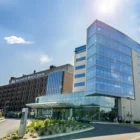
WMCHealth Cancer Center at Westchester Medical Center in Valhalla, New York, treats mesothelioma and other cancers caused by asbestos exposure. Specialists work together to create personalized mesothelioma treatment plans that may include surgery, chemotherapy, immunotherapy, radiation, or clinical trials. We can help you or a loved one connect with mesothelioma doctors at WMCHealth Cancer Center.
Talk to our team about starting treatment at this cancer center
Call Today at: (866) 608-8933
WMCHealth Cancer Center is part of Westchester Medical Center, a large hospital system that serves patients across New York who have been diagnosed with mesothelioma and other asbestos-related diseases. At this cancer center, patients can see several specialists who focus on different parts of mesothelioma treatment.
Mesothelioma can be difficult to diagnose and treat. Because it is rare, many patients benefit from seeing doctors who have experience managing this disease. WMCHealth’s Thoracic Oncology Program brings together specialists who focus on cancers of the lung and chest.
WMCHealth specialists involved in mesothelioma care include:
WMCHealth Cancer Center also collaborates with Columbia University and other academic partners to support mesothelioma research and treatment innovations.
WMCHealth Cancer Center provides access to experienced mesothelioma doctors. Patients typically meet with several specialists while receiving care at this facility.
Doctors review the mesothelioma patient’s medical history, imaging scans, and biopsy results to recommend the most appropriate treatment plan.
Dr. Marjorie G. Zauderer is a leading mesothelioma specialist who serves as Chief of Hematology and Medical Oncology at Westchester Medical Center NY.
She is board-certified in internal medicine and medical oncology and specializes in pleural mesothelioma, although she can treat other types of mesothelioma as well.
Dr. Zauderer is actively involved in cancer research and clinical trials. She also serves on the board of the Mesothelioma Applied Research Foundation and focuses on developing new treatments. Her work emphasizes personalized care and improving survival rates for mesothelioma patients.
Dr. Daniel Nicastri is a thoracic surgeon at Westchester Medical Center who specializes in the surgical treatment of diseases affecting the chest, including mesothelioma.
He has experience performing complex procedures involving the lungs, pleura, and mediastinum. His approach emphasizes precise tumor removal while maintaining patient safety and quality of life.
Dr. Nicastri works as part of a multidisciplinary team to evaluate each case and determine whether surgery is an appropriate option within a broader mesothelioma treatment plan.
If you are searching for an experienced mesothelioma doctor in New York, we can help connect you with specialists at WMCHealth Cancer Center and other treatment centers. Get started right now with our Free Doctor Match.
Mesothelioma treatment at WMCHealth depends on several factors. Doctors consider the stage of the cancer, the location of the tumor, and the patient’s overall health. After reviewing these factors, the care team recommends mesothelioma treatments that may help control the disease and improve survival times.
Doctors also focus on maintaining quality of life during treatment. Managing symptoms and supporting overall health are important parts of care. The following treatments may be used for mesothelioma at WMCHealth.
Surgery may be an option for patients whose cancer hasn’t spread widely. The goal of surgery is to remove as much of the tumor as possible.
For pleural mesothelioma, which affects the lining around the lungs, surgeons may perform a pleurectomy with decortication (P/D) to remove cancerous tissue from the chest lining and surrounding areas.
In some cases, an extrapleural pneumonectomy (EPP) may be recommended instead of a P/D to remove the entire affected lung, depending on how the tumor has spread.
For peritoneal mesothelioma, which develops in the lining of the abdomen, surgeons may perform cytoreductive surgery to remove visible tumors from the abdominal cavity. This type of surgery can reduce the amount of cancer in the body and may improve life expectancy for patients.
Because these procedures can be complex, doctors carefully evaluate each patient before recommending surgery.
At WMCHealth Cancer Center, chemotherapy is a common part of mesothelioma treatment. Chemotherapy uses medications that travel through the bloodstream to kill mesothelioma cells. These drugs may help shrink tumors or keep them from growing.
Chemotherapy may be given before surgery to reduce the size of a tumor. It can also be used after surgery to destroy remaining cancer cells. For some patients, chemotherapy becomes the main treatment when surgery isn’t an option.
Because it circulates throughout the body, this systemic therapy can reach cancer cells that may have spread beyond the original tumor.
Medical oncologists at WMCHealth Cancer Center monitor patients closely during treatment and can adjust medications if patients experience any side effects.
Immunotherapy is a newer treatment that helps the body’s immune system recognize and attack cancer cells. Some mesothelioma patients may benefit from immunotherapy when other treatments fail or stop working.
These medications work by blocking signals that cancer cells use to hide from the immune system. Once those signals are blocked, immune cells may be better able to identify and attack the tumor.
Medical oncologists at WMCHealth Cancer Center may recommend immunotherapy as part of a treatment plan for certain patients with advanced mesothelioma. Drugs such as nivolumab (Opdivo®) and pembrolizumab (Keytruda®) are sometimes used depending on the patient’s cancer stage, cell type, and prior treatments.
Radiation therapy uses focused, high-energy beams to damage mesothelioma cells and slow tumor growth. It may also be used to relieve symptoms caused by tumors.
Radiation is sometimes given after mesothelioma surgery to destroy cancer cells that remain near the surgical site. In other cases, it may be used to reduce pain or ease breathing problems caused by tumors pressing on nearby tissues.
WMC Health’s radiation oncologists carefully plan each treatment to limit exposure to nearby organs such as the heart and lungs. Treatments are typically delivered over several sessions across a few weeks.
Palliative care focuses on improving comfort and quality of life. It can begin at any point during mesothelioma treatment and doesn’t replace other therapies.
Doctors and nurses help patients manage symptoms such as pain, fatigue, breathing difficulty, and fluid buildup. Treating these symptoms can help patients feel stronger during treatment.
Palliative care for mesothelioma may include:
Download our Free Questions to Ask Your Doctor Checklist to help prepare for treatment discussions at your next appointment.
Mesothelioma affects patients and their loved ones in many ways — physically, emotionally, and financially. These different aspects of a diagnosis can make the cancer overwhelming without help.
WMCHealth care providers understand the unique challenges that mesothelioma patients face and work to provide extensive support services integrated into routine patient care.
Support services patients can access at this cancer center include:
The goal is to manage potential treatment side effects, emotional challenges that come with cancer, and support the overall well-being of patients receiving care. Supportive care for mesothelioma is delivered in both inpatient and outpatient settings at Westchester Medical Center.
WMCHealth Cancer Center participates in clinical trials focused on mesothelioma and other asbestos-related cancers. The goal of this research is to find new and better ways to help patients live longer and feel better.
Clinical trials for mesothelioma may study:
Each clinical trial focuses on a specific treatment. Some trials evaluate new options for advanced mesothelioma, while others look at treatments for earlier stages of the disease.
“These carefully designed studies test innovative therapies — from cutting-edge immunotherapies to targeted treatments — with the goal of improving survival rates, reducing side effects, and enhancing quality of life.”
– WMCHealth Cancer Center
Doctors at WMCHealth Cancer Center can help determine whether a clinical trial may be an option for your treatment plan. Use our Free Doctor Match service to connect with a mesothelioma specialist and find out if you can join a clinical trial.
Choosing where to receive mesothelioma treatment can feel overwhelming. Because this cancer is rare, many patients benefit from speaking with specialists who have experience treating it.
WMCHealth Cancer Center provides coordinated care through its Thoracic Oncology Program, where mesothelioma patients may have access to chemotherapy, surgery, radiation therapy, immunotherapy, and clinical trials.
Speaking with a mesothelioma specialist on staff at WMCHealth can help patients understand their diagnosis, review treatment choices, and make informed decisions about their medical care.
Mesothelioma Hope can help connect you with doctors at WMCHealth Cancer Center and other leading treatment facilities in the New York area. Call (866) 608-8933 or use our Free Doctor Match service to take the next step in exploring mesothelioma treatment.
Mesothelioma Hope has no affiliation with and is not endorsed or sponsored by WMCHealth Cancer Center. Any contact information listed is for informational purposes only. You have the right to contact WMCHealth Cancer Center directly.

Connect with top mesothelioma specialists near you.
See the 14 questions you should ask your mesothelioma doctor.

Jenna Tozzi, RN, is the Chief Patient Care Advisor for Mesothelioma Hope. With more than 15 years of experience as an adult and pediatric oncology nurse navigator, Jenna provides exceptional guidance and support to cancer patients and their loved ones. Jenna has been featured in Oncology Nursing News and is a member of the Academy of Oncology Nurse & Patient Navigators & the American Nurses Association.