Asbestos Exposure Risks and Natural Disasters
Natural disasters such as wildfires, hurricanes, floods, tornadoes, and earthquakes can cause widespread destruction in minutes. While immediate dangers like fire and flooding are often the main concerns, there are also long-term environmental hazards that can impact the health of community members for years to come.
One of the most serious and often overlooked risks is asbestos exposure.
When older homes, schools, and commercial buildings are damaged, asbestos-containing materials can break apart and release fibers into the air. These fibers are invisible, easy to inhale, and can remain in the body for decades. Over time, exposure may lead to serious illnesses, including mesothelioma, a rare and aggressive cancer of the lining of certain organs.
Understanding how asbestos exposure occurs during and after natural disasters, and how to reduce the risks, can help protect you, your family, and your community.
How Asbestos Becomes a Risk During Natural Disasters
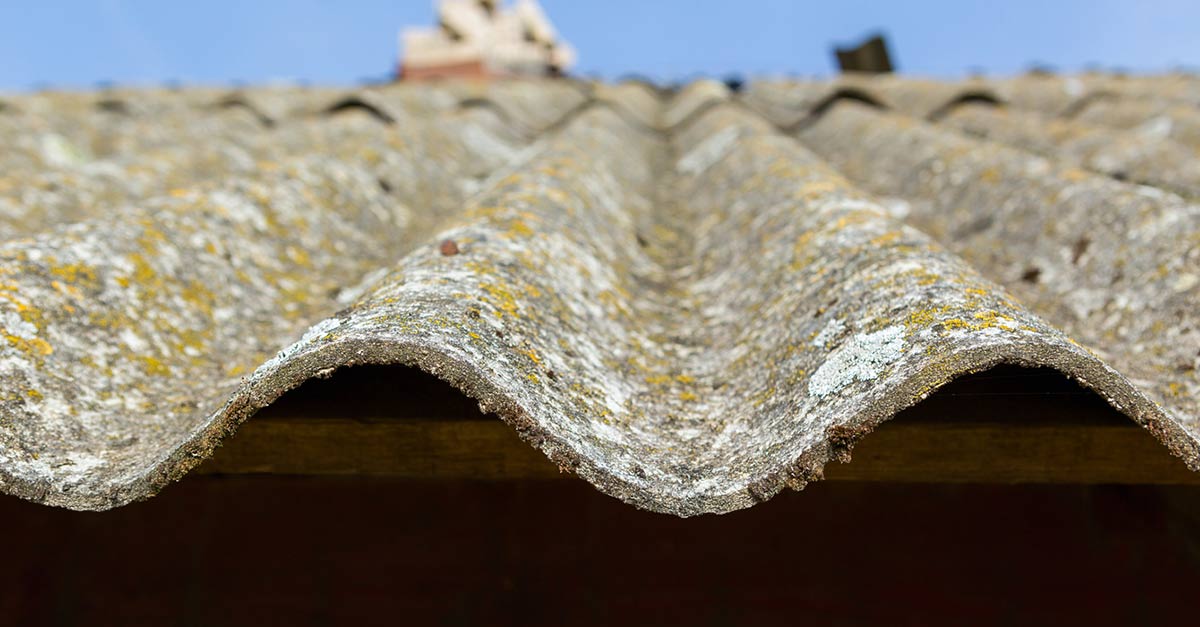
Asbestos was widely used in construction materials throughout much of the 20th century because of its durability and resistance to heat and fire. Although its dangers are now widely known, asbestos can still be found in many buildings constructed before the 1980s.
When these materials remain intact, they generally pose minimal risk. However, natural disasters can disturb or destroy them, causing asbestos fibers to be released into the air.
Asbestos exposure may occur when materials are:
- Broken apart by falling debris or collapsing structures
- Burned during fires, releasing fibers into smoke and ash
- Damaged by water, causing materials to weaken and deteriorate
- Displaced by strong winds or tornadoes
Because asbestos fibers are extremely small and lightweight, they can stay airborne for long periods and spread across large areas. This makes exposure possible even for those who aren’t directly handling debris, highlighting the widespread concerns of asbestos and natural disasters.
Why Asbestos Exposure From Disasters Is Overlooked
In the aftermath of a disaster, most attention is focused on immediate safety concerns such as treating injuries, seeking shelter, and restoring essential services. Environmental hazards like asbestos are less visible and often go unnoticed.
Unlike mold or smoke damage, asbestos fibers cannot be seen or smelled. People may be exposed without realizing it, especially during cleanup efforts when dust and debris are disturbed.
Additionally, asbestos-related illnesses take 10-50 years to develop. This long latency period means exposure today may not be linked to health issues until decades later, making awareness even more important.
Health Risks of Asbestos Exposure
Asbestos exposure is dangerous because of its long-term health effects. Once fibers enter the body, they can become trapped in the lungs or other tissues, leading to inflammation and causing serious illnesses over time.
Notable asbestos-related diseases include:
- Mesothelioma, a cancer affecting the lining of the lungs or abdomen
- Lung cancer, particularly with long-term or repeated exposure
- Asbestosis, a chronic lung disease that causes scarring and breathing difficulties
Symptoms of these conditions often take 10-50 years after exposure to appear, making early awareness and prevention critical.
How to Avoid Asbestos Exposure After a Disaster
Although it may not be possible to completely avoid asbestos exposure after a natural disaster, there are precautions you can take during cleanup and recovery to lower your risk.
General safety practices for asbestos and natural disasters include:
- Avoid disturbing debris or damaged building materials whenever possible
- Do not sweep or vacuum dust, as this can release fibers into the air
- Follow instructions from local authorities before re-entering damaged buildings
- Keep children and pets away from affected areas
Your safety, and the safety of your family, is important. Below are more best practices after a disaster situation.
Safe Asbestos Cleanup Practices After a Disaster
It’s always best to consult a professional asbestos abatement specialist before attempting to handle asbestos-contaminated materials on your own.
If you must handle debris that could contain asbestos, stay safe by:
- Lightly wetting materials before moving them in order to reduce airborne dust
- Minimizing breaking or cutting materials to avoid releasing fibers
- Using proper respiratory protection designed for fine particles
- Wearing protective clothing such as gloves, boots, and long sleeves
After cleanup, be sure to change your clothing immediately. Shower thoroughly to remove any dust from your skin and hair, and avoid bringing any contaminated items into clean living spaces.
For large-scale damage or suspected asbestos contamination, professional cleanup services are strongly recommended, including proper handling, removal, and disposal through licensed asbestos recycling or waste facilities.
Preparing for Asbestos Risks Before a Disaster
Planning ahead can help reduce asbestos exposure risks if a disaster occurs.
Consider including the following in your emergency preparedness plan:
- Gloves, goggles, and protective clothing
- Knowledge of whether your home or workplace may contain asbestos
- Protective masks capable of filtering fine airborne particles
Preparedness can help you respond more safely and confidently following an emergency that may increase the risks of exposure to asbestos.
Disasters & Asbestos Safety: Key Takeaways
Natural disasters can create hidden health risks that extend far beyond the immediate damage. Asbestos exposure is one of the most serious of these risks due to its long-term health effects and the difficulty of detecting it.
To help protect yourself and your family:
- Avoid disturbing materials you cannot identify
- Be cautious around debris from older buildings
- Seek professional assistance when needed
- Use protective equipment during cleanup
Awareness and preparation are key to reducing risk and protecting long-term health.