


Asbestos is a naturally occurring mineral used heavily in manufacturing, construction, and other industries between the 1930s and early 1980s. However, it’s now known that asbestos exposure is toxic and the only known cause of mesothelioma.
“There is no ‘safe’ level of asbestos exposure for any type of asbestos fiber. Asbestos exposures as short in duration as a few days have caused mesothelioma in humans.”
Even a single fiber of asbestos is enough to cause mesothelioma and other cancers. Asbestos fibers can damage the lining of the lungs or abdomen when breathed in or swallowed. Long-term irritation can cause mesothelioma to develop 10-50 years later.
Does Everyone Exposed to Asbestos Get Mesothelioma?
Not everyone who breathes in or swallows asbestos gets mesothelioma. In fact, only 10% of people who work near asbestos go on to develop mesothelioma, according to a study in The Oschner Journal.
Your risk of mesothelioma can be affected by factors like:
- Age
- Alcohol consumption
- Diet
- Gender
- Genetics
- Overall health
- Tobacco use
Researchers are especially focused on genetics as a key risk factor. People with a family history of a BAP1 gene mutation have a greater chance of developing mesothelioma after asbestos exposure.
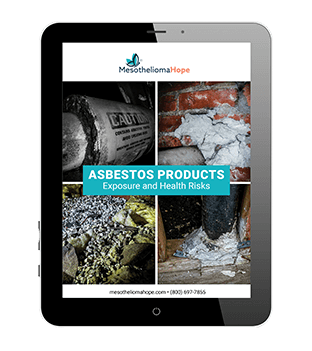
If you or a loved one has been diagnosed with an asbestos-related disease, every second counts. Download our Free Asbestos Guide to learn everything you can about the products that contain asbestos and find out if you or a loved one were exposed.
Why Doesn’t Asbestos Exposure Always Cause Mesothelioma?
While asbestos exposure is the only known cause of mesothelioma, not everyone who’s exposed actually gets sick.
Doctors have identified certain risk factors for why some people are more vulnerable:
- Genetics
A mutation in the BAP1 gene has been identified as a risk factor for mesothelioma. BAP1 mutations are a type of tumor predisposition syndrome (TPDS) that make it more likely for you to develop mesothelioma after asbestos exposure. - Type and Duration of Exposure
You’re at a higher risk of mesothelioma if you were exposed to asbestos regularly for long spans of time since the damage is cumulative. For example, shipyard workers risked breathing in clouds of asbestos dust every day for months or years. - Secondhand Exposure to Asbestos
It’s possible to get mesothelioma without being directly exposed to asbestos. Family members can come into contact with asbestos if their loved one brings fibers home on their work clothes. Secondhand exposure to asbestos can lead to various asbestos-related diseases. - Type of Asbestos
There are six known types of asbestos fibers, and some are more harmful than others. For example, amosite asbestos fibers tend to be more damaging than chrysotile asbestos.

“There’s clearly growing evidence that genetics plays a role in certain proportion of patients.”
See If Asbestos Exposure Has Put You at Risk
Early detection is the best way to improve your life expectancy if you have mesothelioma. Treatments like surgery, chemotherapy, and immunotherapy are more effective when the cancer is caught in the beginning stages.
To get the right diagnosis and treatments, it’s key that you find the right doctor. That’s where we can help. If you were exposed to asbestos and are concerned about mesothelioma, we’ll help you find a specialist in your area to get the answers you need as quickly as possible.
Call (866) 608-8933 today or contact us online to get started.