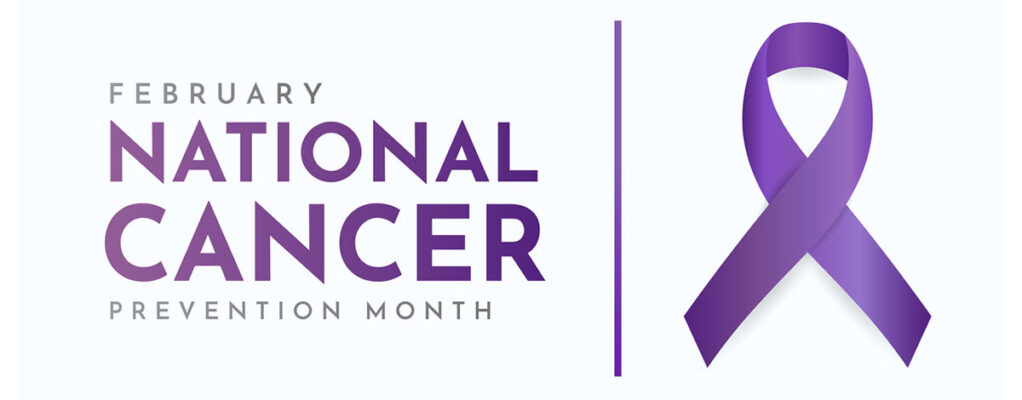


February is National Cancer Prevention Month, which is a time to share information and raise awareness about cancer-causing substances and ways to reduce the risk of mesothelioma.
Thanks to decades of prevention efforts, education, and earlier detection, cancer death rates in the U.S. have dropped by 34%, according to the American Cancer Society. While that progress is encouraging, preventable cancers like mesothelioma continue to pose a serious threat.
Mesothelioma is a rare, aggressive cancer that develops in the lining of the lungs, abdomen, heart, or testicles. What makes it especially tragic is that it only has one confirmed cause: asbestos exposure, which often occurs decades before symptoms appear.
Because the human body doesn’t have a way to get rid of asbestos fibers once they’re breathed in, any amount of exposure can pose serious health risks. And, despite the fact that the dangers of asbestos are now public, it’s still not completely banned in the United States.
Learn the top 3 ways you can get involved this Cancer Prevention Month to help reduce the harms caused by mesothelioma.
1. Protect Yourself From Asbestos
Exposure to asbestos fibers, even in very small amounts, can cause lasting harm to the body and greatly increase the risk of mesothelioma and other asbestos-related diseases. Reducing contact with asbestos is the most effective way to lower that risk.

“First and foremost, people should avoid asbestos exposure by ensuring proper removal from older buildings and following workplace safety guidelines. This is key to preventing mesothelioma.”
If your home, school, or workplace was built before the early 1980s, asbestos-containing materials may still be present in insulation, flooring, roofing, cement products, or pipe coverings. These materials are especially dangerous when disturbed or damaged.
You can protect yourself from asbestos exposure by:
- Consulting with professionals to identify and remove asbestos-based materials
- Not touching or disturbing asbestos-containing products
- Wearing masks or respirators if your job requires you to work around asbestos
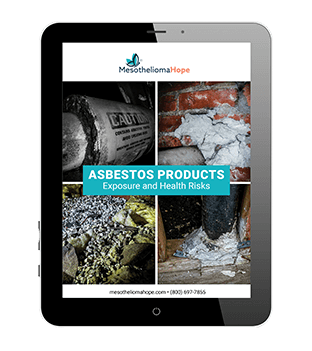
Download our Free Asbestos Products Guide to learn more about workplace and household items that commonly contained asbestos and what steps you can take to protect yourself.
2. Be Proactive About Your Health
Unfortunately, not everyone knew they were being exposed to asbestos or that the products they worked with could cause cancers like mesothelioma decades later.
For these reasons, it’s important to be proactive about your health if you once worked in a high-risk occupation like shipbuilding, construction, or firefighting. Veterans should also be mindful of their health since asbestos was heavily used in the U.S. military prior to the early 1980s.
Taking these steps can help protect your health:
- Be open with your doctor: Let them know you may have been exposed to asbestos so they can monitor you for symptoms of mesothelioma.
- Get routine cancer screenings: Regular physical exams and mesothelioma screenings can detect any changes in your health so you can receive an early and accurate diagnosis.
- Stop smoking: While cigarette smoking is not a cause of mesothelioma, it can worsen the damage caused by asbestos exposure and put you at risk of other conditions like lung cancer.
There’s no way to remove asbestos fibers from the body after exposure. However, these tips can help you catch the cancer before it spreads and improve your odds of becoming a mesothelioma survivor.
3. Advocate for a Total Asbestos Ban
The U.S. Environmental Protection Agency (EPA) officially banned chrysotile asbestos — the last remaining type in use — in March 2024.
However, some industries have been granted a gradual phase-out period, and the ban doesn’t cover legacy asbestos, leaving many still at risk of exposure. Because of this, the Asbestos Disease Awareness Organization (ADAO) continues to advocate for a total ban on all forms of asbestos.
You can support the ADAO’s efforts by:
- Contacting your Congressperson to support the Alan Reinstein Ban Asbestos Now Act, a bill that calls for a complete ban on asbestos
- Sharing information on social media about the dangers of asbestos and how some workers and military veterans are at an increased risk of mesothelioma
- Signing the petition to ban asbestos with no loopholes or exceptions
These small actions can make a real change and prevent mesothelioma and other asbestos-related cancers in future generations.

“If Congress can pass this ban on asbestos, that will save more lives than I ever can.”
Get Help After a Mesothelioma Diagnosis
If you or someone you love has been diagnosed with mesothelioma, you don’t have to take this journey alone.
The Patient Advocates at Mesothelioma Hope are dedicated to helping those affected by this cancer get the medical guidance, financial assistance, and supportive care they need and deserve.
Call us at (866) 608-8933 or fill out our contact form to connect with our team for support.