
Understanding Life After a Mesothelioma Diagnosis
A mesothelioma cancer diagnosis can change your life overnight. Whether you’re coping with a mesothelioma diagnosis of your own or supporting your loved one, it brings new challenges, fears, and concerns. That’s why finding ways to cope with mesothelioma is crucial. Research shows that effective coping strategies can support your attitude and experience with treatment.
Many people feel afraid, overwhelmed, angry, or numb when they’re first diagnosed with mesothelioma. All of these feelings are normal and valid.
Common emotional reactions include:
- Anger over asbestos exposure or corporate negligence
- Fear about treatment or the future
- Grief for the life you had before your diagnosis
- Stress from medical decisions and treatment side effects
- Worry about family responsibilities or finances
Talking to mental health professionals and taking advantage of support services can make these emotions easier to manage. You don’t have to face this alone.

“There’s no way to make mesothelioma easy. But I think the help we received made it as easy as was humanly possible. And I truly appreciate that.”
How Mesothelioma Affects Daily Life
Living with mesothelioma brings both physical and emotional changes. In addition to overwhelming feelings and emotions, there are medical and physiological changes that can impact your day-to-day life.
You may deal with:
- Appetite changes
- Pain or fatigue
- Sleep difficulties
- Stress for you and your loved ones
- Trouble breathing (especially with pleural mesothelioma)
Your care team can help you manage these challenges with medications, symptom tracking, diet and nutrition, and palliative care tools.
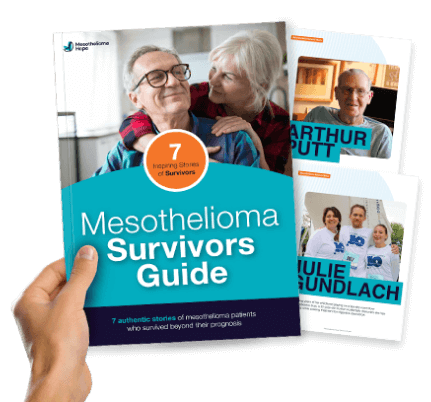
Learn how other patients are coping with a mesothelioma diagnosis in our Free Mesothelioma Survivors Guide. Read their stories for actionable tips and inspiring insights.
How to Cope With Mesothelioma
These simple steps can help make life with a mesothelioma diagnosis easier. They support your mind, body, and daily routines. Learn 4 practical tips for coping with mesothelioma below.
1. Start With Small, Daily Habits
Short, manageable tasks help you feel more in control.
Here are some ways to change your day-to-day routine to better cope with mesothelioma:
- Ask your loved ones to help with chores or appointments
- Keep a small notebook for symptoms and questions
- Set 1-3 simple goals each day
- Take short walks if your care team approves
These steps can support your quality of life even on hard days. The goal isn’t to overwhelm yourself or overhaul your routine, but to take small steps and celebrate every victory.
2. Build a Circle of Support
People who understand your diagnosis can make a big difference. Having a circle of people you trust can help you feel less alone while managing daily tasks and the emotional stress of what you’re going through.
A strong mesothelioma support system may include:
- Connecting with in-person or online support groups
- Leaning on friends, family, and caregivers
- Talking with social workers or health professionals at cancer centers
This support can reduce stress, isolation, and psychological distress. Your circle of support doesn’t have to look like anyone else’s, as long as you have people you can rely on for practical needs and that help you find joy in your daily life.
“To stay hopeful, I encourage leaning on support systems, exploring clinical trials, celebrating milestones (like completing a treatment cycle), and maintaining an active lifestyle.”
– Dr. Estelamari Rodriguez, mesothelioma specialist at Sylvester Comprehensive Cancer Center
3. Prepare for Your Medical Visits
Good preparation helps you get the most from your medical appointments. Feeling prepared and empowered in your own care can help alleviate some of the stress and fear that come with treatments.
Set yourself up for success in your medical appointments by:
- Asking about new therapies being tested in clinical trials
- Bringing a friend, advocate, or caregiver to take notes
- Bringing a list of symptoms, such as pain or shortness of breath
- Writing down questions about treatment options
Clear communication during mesothelioma treatment can lead to better outcomes. The more you prepare for your appointments, the more likely you will be to get all of the answers you need.
4. Support Your Mental Health
Mesothelioma affects emotions as much as the body, and having poor mental health can impact your treatment outcomes and overall quality of life.
To boost your mental health during mesothelioma treatment:
- Ask your doctor about medications to ease anxiety or depression
- Speak with a counselor who understands cancer patients
- Use breathing exercises or guided relaxation
Caring for your mind is part of caring for your body. Don’t be afraid to ask for help and get the support you need to manage any feelings of anger, anxiety, depression, or sadness. All of these feelings are normal, but you don’t have to suffer from them alone.
How Your Mesothelioma Care Team Can Help You Cope
The medical side of a diagnosis — like making decisions, managing treatment side effects, and combating cancer symptoms — is a big part of coping with mesothelioma. The right mesothelioma professionals help guide and support every step of your journey.
How medical professionals can help you cope:
- Nurses: They answer day-to-day questions, help manage side effects, and offer calming, steady support during appointments and treatments.
- Nutritionists and dietitians: They help you eat well, manage weight changes, and keep up your strength when treatment affects appetite, energy, or digestion.
- Oncologists (mesothelioma specialists): Cancer doctors who explain your diagnosis, guide treatment options, and help you understand what to expect during each stage of mesothelioma treatment.
- Palliative care providers: They focus on pain relief, comfort, and symptom control, improving your quality of life at any stage, not only near the end of life.
- Patient advocates: They help you understand your rights, organize paperwork, and speak up during medical visits when you feel overwhelmed or unsure.
- Peer mentors: People with lived experience who offer empathy, simple tips, and hope from someone who truly understands living with mesothelioma.
- Primary care providers: They help you manage other health issues, coordinate care, and support your whole-body health while you focus on your cancer treatment.
- Social workers: They help with counseling, financial programs, transportation, and connecting you to support groups and community support services.
- Therapists: These professionals help you manage stress, fear, or psychological distress, using coping tools that support your emotional well-being.
These experts support treatment, emotions, and practical concerns. They can also guide you to nonprofit programs and national resources or benefit programs.
Mesothelioma Emotional Support and Community
Support from others who understand your experience can make life with cancer feel less lonely. Here are the top forms of community support and organizations that can help you cope after a mesothelioma diagnosis.
Mesothelioma Support Groups
A mesothelioma support group offers a safe space to talk with people who share the same illness.
Support groups can be:
- In-person at hospitals or cancer centers: Lets you connect face-to-face with people who understand mesothelioma, creating a grounded, real-world support system.
- Online through organizations like Mesothelioma Hope: Offers flexible, safe spaces to share feelings, learn tips, and feel understood without leaving home.
- Part of larger cancer support groups: Helps you cope by learning from people facing other cancers, giving you broader tools and emotional encouragement.
These groups help you learn coping tools, share experiences, and build connections.
Mesothelioma Hope offers a monthly online support group for patients, families, and caregivers. Sign up below to join our Free Support Group.

Mesothelioma Peer Support and Patient Mentors
Some programs match you one-on-one with a mesothelioma survivor, caregiver, or trained mentor.
This can provide:
- Emotional support: Helps you feel less alone by sharing worries, fears, and frustrations with people who get it.
- Help navigating appointments: Makes medical visits less overwhelming by helping you prepare questions and understand next steps.
- Tips for daily challenges: Provides real-life coping strategies for side effects, fatigue, or stress that come up each day.
- Weekly check-ins: Give you steady reassurance during treatment and offer a routine place to talk through tough days.
These peer mentorship programs can help you get more dedicated support from someone who understands what you’re going through.
Family and Caregiver Support for Mesothelioma Patients
Mesothelioma caregivers also need care. Caregivers often experience stress, fear, or exhaustion while navigating their responsibilities.
Services for mesothelioma caregivers include:
- Counseling: Helps caregivers cope with grief, stress, and emotional fatigue while staying strong for their loved one.
- Peer programs for caregivers: Connects caregivers with others who understand the emotional and practical challenges of supporting someone with mesothelioma.
- Respite care: Provides caregivers with short breaks so they can rest, recharge, and avoid burnout while the patient continues to receive safe support.
- Support lines: Offers immediate guidance and comfort when caregivers feel overwhelmed or unsure who to ask for help.
Mesothelioma affects the whole family in different ways. Knowing how to support caregivers and family members can help them better show up for their loved ones and cope with the diagnosis in a healthy way.
Navigating Mesothelioma Treatment
Coping with a mesothelioma diagnosis often means learning how to manage the treatments themselves: the appointments, the physical demands, and the emotional ups and downs. Understanding what to expect can help mesothelioma patients and loved ones feel more prepared and less overwhelmed.
Here’s how to cope with common parts of a mesothelioma treatment plan:
- Chemotherapy: Keep nausea tools on hand, eat small meals, and track symptoms to share with your oncology team. Fatigue is common, so pacing yourself is key.
- Clinical trials: Trials often involve extra visits or scans. Staying organized and asking questions can reduce anxiety and help you feel more in control.
- Immunotherapy: Side effects can come and go. Stay alert to changes in skin, breathing, or energy and call your care team early to avoid complications.
- Radiation therapy: Skin care and hydration help with irritation and fatigue. Ask your care team about safe lotions and ways to protect the treated area.
- Surgery: Plan for extra rest, ask caregivers to help with daily tasks, and follow your care team’s recovery steps. Gentle movement and breathing exercises often help you regain strength after the procedure.
Every treatment plan is different. The goal is to reduce stress, stay informed, and use support early to make daily life easier during mesothelioma treatment.
Coping With Physical Symptoms of Mesothelioma
One of the hardest parts of mesothelioma is the physical impacts of the cancer, especially in its later stages. However, there are many ways to manage mesothelioma symptoms and maintain a better quality of life.
Common symptoms of mesothelioma and ways to cope with them include:
- Appetite changes: Soft foods, small meals, and guidance from a dietitian can help you maintain energy and weight.
- Breathing problems: Improved with breathing exercises, oxygen support, or procedures that drain fluid buildup.
- Fatigue: Managed through short rest periods, nutrition support, and help from caregivers.
- Pain: Can be eased with medication plans, gentle movement, and palliative care to improve daily comfort.
- Treatment-related side effects: Tracking symptoms, asking your care team for help, and certain medications or procedures make side effects easier to manage.
You don’t have to suffer through these physical symptoms alone. Tell your care team immediately when you’re experiencing new or difficult side effects so you can get the support you need.
Financial Help and Practical Support for Mesothelioma Patients
Mesothelioma can affect work, income, and stability. This leads to stress and anguish at a time that is already highly distressing. Finding ample support can help you alleviate financial stress and allow you to focus on the most important parts of mesothelioma care: treatment and spending time with loved ones.
1. Legal and Financial Help
One of the greatest ways to ease mesothelioma-related stress is by getting financial assistance to pay for care and manage daily costs.
Because mesothelioma is caused by asbestos exposure, you may qualify for compensation from:
- Asbestos trust funds: File a claim through trust funds set up by bankrupt asbestos product manufacturers. Many patients receive thousands of dollars per claim and may qualify for payouts from multiple trust funds.
- Mesothelioma lawsuits: The average payout for a mesothelioma settlement is around $1 million, and skilled asbestos attorneys do all the heavy lifting to prevent added stress.
- VA benefits for veterans: These benefits help veterans access care and financial support tied to service-related asbestos exposure.
These programs can help pay for medical care and travel. Law firms experienced in asbestos cases can handle the paperwork so you can focus on treatment, not stress.
2. Government and Nonprofit Programs
In addition to mesothelioma compensation, you may have other options for financial help.
National groups and governmental resources offer financial and practical support:
- American Cancer Society lodging and travel programs: Reduce travel burdens so you can focus on treatment, not logistics.
- Local nonprofit support: May provide meal help, counseling, or transportation, lightening the load on families.
- Medicare and Medicaid support: Helps lower medical costs, easing the financial stress of ongoing cancer care.
- VA disability benefits: Offer $4,158.17 a month for married veterans when treatment or symptoms make working impossible.
Whether you need help with travel, finding a specialist, or managing symptoms, there’s likely a program for you. Working with a Patient Advocate can help you find the right resources to meet your needs with less stress.
3. Help With Daily Tasks
Many mesothelioma patients find getting through daily tasks difficult while they undergo extensive treatments like surgery, chemo, or radiation. Functioning may require them to get outside medical or personal support.
You may find support for daily coping through services such as:
- Home-care programs: Provide help with daily tasks so you can conserve energy and feel supported.
- Meal delivery: Reduces stress around cooking and helps maintain nutrition during low-energy days.
- Respite care for caregivers: Gives families rest and prevents burnout, which strengthens long-term support.
- Transportation services: Make appointments easier to reach when driving feels tiring or unsafe.
These services reduce stress and protect your quality of life.
How to Cope With Mesothelioma Planning and End-of-Life Support
Mesothelioma is a devastating disease that often leaves families planning quickly for end-of-life earlier than expected. Planning early gives you more control and can bring peace to you and your loved ones.
Here are some common parts of end-of-life planning that can help you feel prepared:
- Financial planning: Organizes bills, savings, and long-term needs to ease financial worries for your family.
- Funeral or memorial preferences: Allows you to share what matters most and brings comfort to loved ones later.
- Hospice services or palliative care for advanced cancer: Focuses on comfort, dignity, and quality time with family.
- Living wills: Clearly outline your care wishes, helping loved ones honor your choices with confidence.
- Power of attorney: Gives someone you trust the ability to help with decisions when you’re unable, reducing family stress.
These conversations can be emotional, but they also help families feel prepared and supported. If you aren’t sure where to start, our Patient Advocates can connect you with mesothelioma resources at no cost.
Get Support for Coping With a Mesothelioma Diagnosis
If you or a loved one is coping with mesothelioma, you don’t have to navigate this alone. Mesothelioma Hope is standing by to provide support at every step of your journey, from the initial diagnosis to end-of-life planning.
Our team is here to:
- Help you understand your diagnosis and pursue a second opinion
- Evaluate your treatment options and manage side effects
- Find ways to pay for treatments and other living costs
- Connect you with support groups and peer mentors
We can help you find the right resources so you feel supported and informed moving forward. Connect with us now for more information.