
What Are Mesothelioma Peer Mentors?
A mesothelioma peer mentor is someone with lived experience of this cancer who guides and supports others going through it. Peer mentors aren’t a replacement for health care professionals, but bring valuable insights and understanding, providing empathy, advocacy, and day-to-day coping skills.
Mentors are usually matched one-to-one by diagnosis (such as pleural mesothelioma or peritoneal mesothelioma), stage of the disease, or the individual’s role (whether they’re a patient or a mesothelioma caregiver). That makes the help personal and timely.
Common ways mesothelioma peer mentors connect include:
- Phone calls or regular check-ins
- Zoom or other video chats
- Email or text messages
- In-person visits, when possible
Through these conversations, mentors offer emotional support, practical tips to navigate day-to-day life, and a guiding hand within the mesothelioma community.

“The truth is that the only people who genuinely understand what you are going through are those who have experienced it themselves.”
Get connected with others who have been impacted by mesothelioma by joining our Free Support Group. This monthly virtual group is open to mesothelioma patients, family members, and caregivers.

5 Benefits of Mesothelioma Peer Mentors
Working with a peer mentor is not only about having someone to talk to; it’s also about having someone who can offer guidance and support. A peer mentor connects you to the larger mesothelioma community and the various types of support available.
Below are some of the specific benefits of mesothelioma peer mentors.
- Firsthand empathy and understanding: A mentor has walked this road, so you don’t need to explain everything you’re going through. They have heard the words “cancer diagnosis” and “mesothelioma treatment.” They have dealt with scanxiety from waiting for test results. They may have helped a loved one manage pain or fatigue. Talking to a peer who just “gets it” can lower your stress and make you feel less alone in your experience.
- Cancer-specific emotional support: Mesothelioma mentors understand the rhythm of cancer care. They know about clinical trials, second opinions, and long days at cancer centers. They help you name your fears and also build a small plan for each week. Their support can ease mental health strain and help you communicate clearly with social workers and health care professionals.
- Real-life advice for managing the disease: Mentors share the tips they have used to navigate mesothelioma, from managing medical paperwork to overcoming logistical challenges. They may suggest what to pack for a chemotherapy session, how to track symptoms, tips for managing side effects, or how to plan meals on treatment days. They can share how they organized rides, meals, and family support, as well as the questions they asked during appointments.
- New perspective and hope: Hearing a mesothelioma survivor’s story matters. It shows that survivorship is a journey, not one moment. Mentors help you notice progress you might otherwise miss. They also help you set small goals, like a short walk, a visit with a friend, or an art project. These wins build strength over time. And when you reach the worst points, mentors can be the light that you need to keep pushing on.
- Enduring support and connection: Mesothelioma can feel isolating, but having a mentor who truly understands the disease can make you feel less alone. Mentors often stay with you for months, checking in at regular intervals or after key appointments. Connection can be by phone, through online support groups, or in person at a time that works for both of you. This steady contact builds trust and a strong support network during every step of cancer treatment.
Learning from someone who has faced a similar experience gives you a practical perspective and a clearer understanding of what to expect moving forward.
Where to Find Mesothelioma Peer Mentors
Finding the right peer mentor for a mesothelioma diagnosis can feel like a lifeline. Several trusted organizations and support networks connect mesothelioma patients and caregivers with trained mentors.
You can get matched to a peer mentor through:
- 4th Angel: Founded by Olympic gold medalist Scott Hamilton after his battle with cancer, 4th Angel pairs cancer patients and survivors with others who know what they’re going through.
- Cancer Hope Network: Patients and caregivers get matched to a peer mentor based on location, similar life experiences, and other factors.
- Friend for Life: This group connects patients and caregivers with trained volunteers who share similar diagnoses, treatments, and personal interests.
- Imerman Angels: This international support organization has matched more than 36,000 people impacted by cancer with a peer for personalized support and empathy.
- Meso Foundation Peer-to-Peer Support Program: This service allows patients and loved ones to speak to people who understand all the nuances of this cancer.
Your local hospital or cancer center may also have peer mentorship programs available. Ask your care team or a social worker if there’s a program you can get involved with. Our team can also help you find mesothelioma peer mentors and other support resources. Give us a call at (866) 608-8933 for more information.
Mesothelioma Caregiver Peer Mentors
Caring for someone with mesothelioma can be exhausting. Caregivers juggle appointments, side effects, money stress, and sometimes end-of-life choices. A caregiver peer mentor understands these pressures and can help you find balance with your responsibilities.
Mesothelioma caregiver peer mentors offer:
- Emotional support: A safe place to share worry, grief, or guilt.
- Practical advice: Tips for time, family support, and work balance.
- Connection: Proof you’re not alone, even on hard days.
- Advocacy guidance: How to speak up during oncology visits and in cancer treatment planning.
Some caregiver mentors also join mesothelioma awareness efforts — such as local walks, social media campaigns, or fundraising — which can build strength and community while you provide care.
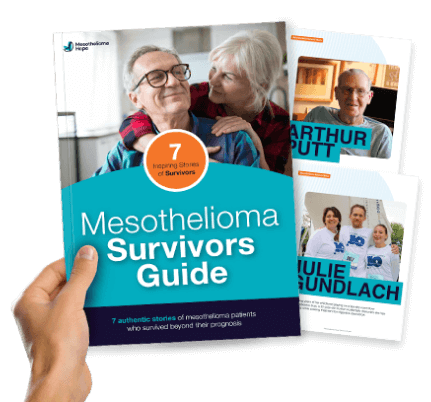
Read about mesothelioma survivors and their families in our Free Survivors Guide, full of real-life stories and insights.
How to Become a Peer Mentor for Mesothelioma Patients
If you feel called to support others after your own mesothelioma journey, becoming a peer mentor can be a meaningful way to give back. The process is usually simple, but it does involve a few steps to make sure you’re ready.
Common steps to becoming a mesothelioma peer mentor include:
- Apply through a support program: Start with organizations like the Mesothelioma Applied Research Foundation or Cancer Support Community.
- Share your story: You’ll describe your experience as a mesothelioma patient, survivor, or caregiver, so program staff can match you with the right mentee.
- Complete training: Most nonprofit organizations offer mentor training that covers support and patient advocate responsibilities.
- Commit to mentoring: Once approved, you’ll connect with a mentee by phone, email, Zoom, or sometimes in-person, offering steady encouragement and guidance.
Becoming a peer mentor not only helps others but also strengthens your own sense of survivorship and advocacy within the mesothelioma community.
Mesothelioma Peer Mentor Training
Peer mentors aren’t just well-meaning volunteers. Many programs provide training so mentors can offer safe, effective, and reliable support. Training often covers topics like active listening, patient privacy, and how to share personal experiences without giving medical advice.
Training usually includes:
- Guidance on handling sensitive conversations
- Information about treatment options, clinical trials, and support services
- Education on connecting patients with health care professionals or cancer centers when needed
- Skills for supporting both mesothelioma patients and family members
This preparation ensures mentors can respond with care while respecting boundaries. The goal is to create a trusted support system that uplifts patients, caregivers, and survivors within the mesothelioma community.
Some programs also update mentors on current cancer research, allowing them to answer questions and connect patients with helpful resources.
Get Peer Mentorship for Mesothelioma
You don’t have to face mesothelioma alone. Peer mentorship and other programs exist specifically for situations like yours. Our team is here to help connect you with the resources and support to navigate this journey.
Our team can help you:
- Find a support group or peer mentor
- Understand your options for palliative care
- Get help paying for treatment and other costs
To get started, call us at (866) 608-8933 or contact us for more information.
Mesothelioma Peer Mentors FAQs
How do mesothelioma peer mentors benefit patients?
Mesothelioma peer mentors provide emotional support, simple tools for daily life, and hope gained from lived experience. Mentors help you prepare for visits, manage side effects, and find support services. They keep you connected to a real support system.
Are peer mentors the same as support groups?
No, peer mentors and support groups are different. Mesothelioma support groups bring many people together at once, while peer mentoring is typically a one-to-one experience. Both can help you build a comprehensive support system on your mesothelioma journey.
Can a peer mentor be a family member?
Programs usually match you with someone outside your family. This keeps support neutral and fresh. Later, family members who served as caregivers can train to mentor others.
Do you have to pay for mesothelioma peer mentors?
Typically no. Programs run by nonprofit organizations, cancer centers, and advocacy groups like the American Cancer Society and Cancer Support Community are free. They are built to help without adding costs to your health care.




 How We Can Help