
What’s the Difference Between Immunotherapy & Chemotherapy?
Chemotherapy and immunotherapy are two of the most common treatments for mesothelioma. However, each one works in unique ways and may be used at different times in a patient’s treatment plan.
- Chemotherapy uses strong drugs to kill fast-growing cells, including cancer. It also affects healthy cells, so you may develop side effects like hair loss, fatigue, and nausea. The standard chemotherapy regimen for mesothelioma is cisplatin or carboplatin with pemetrexed.
- Immunotherapy doesn’t attack cancer directly. Instead, it helps your immune system recognize mesothelioma cells as a threat and fight them more effectively. The standard mesothelioma immunotherapy drugs include nivolumab (Opdivo®), ipilimumab (Yervoy®), and pembrolizumab (Keytruda®).
Doctors may recommend chemotherapy first, immunotherapy first, or both, depending on the type of mesothelioma, if surgery is possible, and how well a patient is likely to tolerate side effects. For some patients, these treatments are also paired with surgery or radiation therapy to provide the best possible outcome.
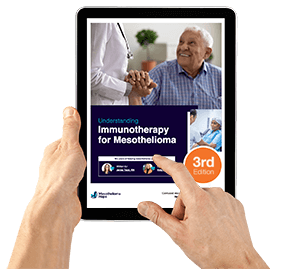
Download our Free Immunotherapy Guide to learn how this treatment is helping mesothelioma patients live longer, healthier lives.
Immunotherapy vs. Chemotherapy Success Rate
Chemotherapy is a key part of mesothelioma treatment, especially for controlling symptoms early on. But adding immunotherapy — or using two immunotherapy drugs together — helps keep more patients alive longer after diagnosis.
In recent studies, patients treated with chemotherapy had a 2-year mesothelioma survival rate of approximately 27% and a 3-year survival rate of around 17%. Research shows immunotherapy can boost life expectancy and long-term survival.
- Keytruda with chemotherapy (KEYNOTE-483 trial): Patients lived about 17 months on average. The 3-year survival rate was about 25%, compared to 17% for chemotherapy alone.
- Opdivo with Yervoy (CheckMate 743 trial): Patients lived about 18 months on average, compared to 14 months with chemo. The 2-year survival rate was 41% with immunotherapy, compared to 27% with chemotherapy. The 3-year rate was 23% versus 15%.
These statistics can’t predict what will happen to each person, but they provide a broad overview of which mesothelioma treatments worked best for other patients. Talk to your doctor to get a better idea of how chemotherapy and immunotherapy could help you.

“While immunotherapy isn’t universally effective, it tends to produce more durable responses and can maintain a patient’s quality of life over extended treatment periods.”
Chemotherapy vs. Immunotherapy Cost
When considering treatment, many patients and their families want to know not only how well chemotherapy and immunotherapy work but also how much they cost. The costs of mesothelioma treatment can be steep, and they vary widely depending on the type of therapy, how long it’s given, and what health insurance may or may not cover.
| Factor | Chemotherapy | Immunotherapy |
| Average Cost | Around $57,000 for a full course of cisplatin + pemetrexed. | Around $151,000 for nivolumab + ipilimumab, but can reach $250,000 per year. |
| Insurance Coverage | May be covered by Medicare and private insurance, but out-of-pocket costs vary. | Typically covered, but co-pays and deductibles can still be high. |
| Long-Term Value | Lower initial cost, but repeat cycles may be needed if the cancer returns. | Higher up-front cost, but may deliver longer-lasting results for some patients. |
Even when insurance covers all or part of these treatments, out-of-pocket expenses like co-pays and deductibles can add up. Knowing this ahead of time can help you explore patient assistance programs and legal compensation so you can get the care needed to fight this cancer.
Immunotherapy vs. Chemotherapy Side Effects
Both chemotherapy and immunotherapy can cause treatment side effects that range from mild discomfort to more serious problems that require medical attention. Understanding the common side effects of immunotherapy vs chemotherapy can help you and your family know what to watch for and when to call your doctor.
Chemotherapy side effects occur because the drugs affect healthy cells, not just mesothelioma cells.
Common chemotherapy side effects include:
- Hair loss
- Kidney damage
- Low blood counts (higher risk of infection, fatigue, bleeding)
- Mouth sores
- Nausea or vomiting
- Nerve problems (numbness, tingling, pain)
Immunotherapy side effects are different because these drugs stimulate the immune system to fight cancer instead of destroying it directly. However, sometimes the immune system becomes too active and begins to attack healthy organs.
Mesothelioma immunotherapy side effects include:
- Cough or shortness of breath (lung inflammation)
- Diarrhea or stomach pain (stomach inflammation)
- Fatigue or weight changes (thyroid or hormone issues)
- Skin rash or itching
- Yellow skin or eyes (liver problems)
Your doctor will monitor you closely with regular checkups and blood tests. If you notice any new side effects, make sure to tell your care team right away.
Treatment Duration for Chemotherapy vs. Immunotherapy
How long you stay on treatment depends on how your cancer responds and how your body handles the side effects. Chemotherapy and immunotherapy are administered differently, and your doctors will tailor your treatment sessions to your specific needs.
- Chemotherapy is given in cycles that repeat every 3 to 4 weeks. Most patients complete 4 to 6 cycles, which takes about 3 to 5 months in total. Your care team will order imaging scans to see if the treatment has helped. If it’s working, you may continue on a lower dose of chemotherapy to keep the cancer under control.
- Immunotherapy is administered as an infusion every 2 to 6 weeks, depending on the drug. Instead of stopping after a set number of cycles, immunotherapy continues for as long as it’s working and side effects are manageable. Some patients stay on it for 2 years or more if their cancer remains stable.
Other things that affect how long treatment lasts include your mesothelioma cell type (epithelioid, biphasic, or sarcomatoid), cancer stage, overall health, and if you’re getting initial or follow-up care.
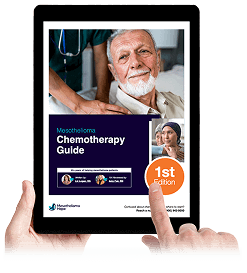
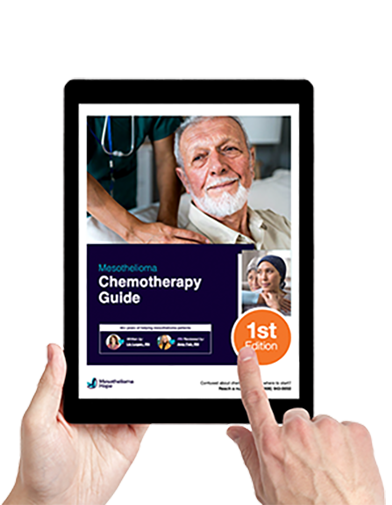
Download our Free Chemotherapy Guide to get clear answers about what to expect during treatment, how long it may last, and ways to manage side effects.
Types of Immunotherapy vs. Chemotherapy
There are different types of chemotherapy and immunotherapy that doctors may use to treat mesothelioma. Some are standard treatments already approved by the U.S. Food and Drug Administration (FDA), while others are still being tested in clinical trials.
Immunotherapy Options
- Checkpoint inhibitors: Drugs like Opdivo, Yervoy, and Keytruda help the immune system find and attack cancer.
- Monoclonal antibodies: Lab-made proteins attach to cancer cells so the immune system can destroy them.
- Cancer vaccines: These teach the body to recognize and target mesothelioma cells, and are being studied in various clinical trials.
- Adoptive T-cell therapy: Doctors take some of your immune cells, strengthen them in a lab, and put them back to fight the cancer.
Chemotherapy Options
- Cisplatin with pemetrexed: The most common first treatment.
- Carboplatin with pemetrexed: Used if cisplatin is too hard on the body.
- Gemcitabine: Sometimes given if the cancer returns after first treatment.
- Chemo with bevacizumab: Combines chemo with a drug that cuts off the tumor’s blood supply.
Benefits of Mesothelioma Immunotherapy vs. Chemotherapy
Both can help, but in different ways. Immunotherapy may last longer for some, while chemo may work more quickly to shrink tumors and ease symptoms. You may receive both chemotherapy and immunotherapy to help after a mesothelioma diagnosis. The best choice of treatments depends on the type of mesothelioma, its stage, and your specific goals.
Here’s how the benefits compare:
- Access: There are many different chemo drugs available. Currently, only 3 immunotherapies are approved by the FDA for use in mesothelioma treatment: Opdivo, Yervoy, and Keytruda.
- Combination potential: Both can be paired with one another, as well as surgery or radiation, for the best results.
- Disease stage: Immunotherapy is typically part of first-line care for advanced pleural mesothelioma cases. Chemo remains a strong option for all cancer stages and cell types.
- How long results last: Immunotherapy can last longer in some people and may improve quality of life; chemo often works faster but may not last as long.
- Symptom relief: Chemo can quickly lower pain, pressure, and fluid. Immunotherapy changes may take longer.
- Who may benefit most: Immunotherapy often helps non-epithelioid types (sarcomatoid and biphasic). Chemo works well for the epithelioid cell type.
The best way to find out if chemotherapy or immunotherapy will be best in your case is to speak with your mesothelioma care team. They can look at the specifics of your diagnosis and recommend the most effective treatments.
Get Help Comparing Immunotherapy vs. Chemotherapy
Choosing between immunotherapy and chemotherapy for mesothelioma can feel overwhelming, but you don’t have to make that decision alone. Mesothelioma Hope can connect you with leading doctors who specialize in both treatments and can recommend a care plan that fits your diagnosis and health needs.
We can also help you:
- Understand the pros and cons of chemotherapy vs. immunotherapy
- Learn which treatment may offer the best chance of longer survival
- Find clinical trials combining chemo and immunotherapy
- Explore financial aid, travel support, and legal compensation options
Call (866) 608-8933 or reach out to us online to learn more about chemotherapy, immunotherapy, and resources available to support you or someone you love.
Mesothelioma Immunotherapy vs. Chemotherapy FAQs
What is the success rate of immunotherapy vs chemotherapy?
In recent studies, patients who received chemotherapy lived about 15 to 27 months on average. Patients with epithelioid mesothelioma tended to respond better.
Here’s what other trials have shown:
- Immunotherapy + chemotherapy (Keytruda® + chemo): Patients lived about 17 months on average, and more were alive at 3 years (25%) compared to chemo alone (17%).
- Dual immunotherapy (Opdivo® + Yervoy®): Patients lived about 18 months on average, compared to 14 months with chemo. At 2 years, about 4 in 10 patients on immunotherapy were alive versus 3 in 10 on chemo.
Chemotherapy can help control mesothelioma, especially at the start, but immunotherapy — either by itself or combined with chemotherapy — has been shown to help some patients live longer and increase the chance of surviving several years after diagnosis.
Which is harder on the body, chemo or immunotherapy?
Chemotherapy attacks fast-growing cells, including healthy ones. This can cause side effects such as nausea, hair loss, and fatigue.
Immunotherapy side effects usually come from an overactive immune system. Many patients experience mild symptoms, such as joint pain, cough, or skin rash. However, in some cases, the immune system may attack healthy organs, leading to inflammation in the lungs, liver, or intestines.
Overall, many patients find immunotherapy easier to tolerate than chemotherapy, but it depends on your health and how your body reacts. Your doctor can recommend options to help you manage the side effects of either treatment.
Why would a doctor choose immunotherapy over chemotherapy?
A doctor might recommend immunotherapy vs. chemotherapy for cancer if:
- Chemotherapy has stopped working.
- The patient isn’t strong enough to handle chemotherapy side effects.
- Immunotherapy could offer longer-lasting results.
Some patients may even begin treatment with immunotherapy instead of chemotherapy. The choice depends on the stage of mesothelioma, the patient’s overall health, and how likely each treatment is to help them.