

If you’re worried about asbestos in your apartment, you’re not alone. Many renters discover that older buildings may contain asbestos and aren’t sure what that means for their safety, their lease, or their rights as a tenant.
Asbestos is a naturally occurring mineral that was widely used in construction materials throughout much of the 20th century because of its strength and resistance to heat and fire. However, it’s now known to cause mesothelioma and other serious illnesses when its fibers become airborne and are breathed in.
The important thing to understand is this: The presence of asbestos doesn’t automatically mean you’re in danger. In many cases, asbestos-containing materials are safe if they are intact and undisturbed. The problem is when these materials are damaged, deteriorate over time, or are disturbed during repairs or renovations.
Learn how to identify potential asbestos risks in a rental property, understand your landlord’s responsibilities, and take steps to protect yourself and your family.
How Can You Tell if Your Apartment Has Asbestos?
You can’t identify asbestos just by looking at a material, but you can look for clear signs that it may be present in your apartment.
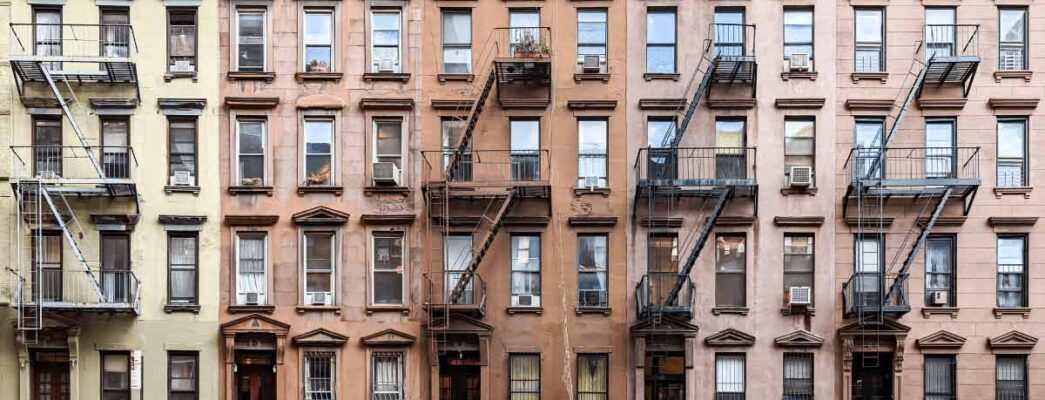
Start with the age of the building. If your apartment was built before the 1980s — or even renovated using older materials — asbestos may have been used in the original construction.
You should pay special attention to:
- Areas recently disturbed by maintenance or renovation work
- Cracked, flaking, or sagging ceiling tiles
- Chipped or broken cement or backing boards
- Old insulation around pipes that appears dusty or fibrous
- Peeling or damaged drywall or plaster
- Pipe insulation that looks worn or deteriorated
- Powdery debris or dust near walls, ceilings, or vents
- Textured coatings or patching that are cracking
That said, the only reliable way to confirm asbestos in a rental property is through professional testing. Licensed inspectors take small samples and send them to specialized laboratories for analysis. At-home testing or DIY removal isn’t recommended, as it can increase your risk of exposure.
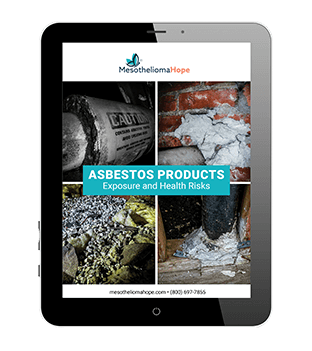
Download our Free Asbestos Products Guide to learn more about asbestos exposure risks and how to protect your family.
Can You Live in an Apartment With Asbestos?
Yes, you can live in an apartment with asbestos as long as it’s in good condition and not disturbed. Asbestos becomes a problem when fibers get into the air. This usually happens when materials are damaged, cut, or start to break down.
Over time, exposure to asbestos fibers and dust may increase the risk of serious diseases, including mesothelioma, lung cancer, and asbestosis. That’s why it’s important to keep an eye on the condition of materials in your apartment.
If asbestos-containing materials are sealed and stable, they’re less likely to pose a risk. However, if you notice cracking, crumbling, or damage, report it to your landlord right away. You can also request a professional inspection if you aren’t sure.
What Happens If They Find Asbestos in Your Apartment?
If asbestos is found in your apartment, what happens next depends on whether it’s damaged.
What matters most is whether the material is stable or starting to break down, since that determines whether it can be left alone or needs to be handled right away.
- If it’s in good shape, it may be left alone. Asbestos is usually not a problem unless it’s disturbed, so your landlord may just monitor it and ask you to avoid that area.
- If it’s damaged or starting to break down, your landlord will need to fix it. This means bringing in trained professionals to seal it off or remove it safely. While the work is being done, part of your apartment may be closed off. You may need to stay somewhere else for a short time.
After the work is done, the area should be tested to confirm it is safe. You can ask your landlord for updates or documentation so you know the issue was handled properly.
What Is a Landlord’s Responsibility for Asbestos?
Landlords are responsible for complying with housing codes to provide a safe and habitable environment for their renters. Each state and county has different housing codes and laws, so some landlords might not be legally required to inform tenants of the presence of asbestos.
However, the Occupational Safety and Health Administration (OSHA) outlines federal requirements for landlords of older buildings.
OSHA requires all owners of buildings constructed before 1981 to locate any existing asbestos and follow certain safety guidelines when doing renovations or repairs.
If you believe there are damaged asbestos-containing materials in your rental and it was built before the 1980s, your landlord is required to work with a licensed asbestos professional to test the materials and determine if they need to be removed.
Who Pays for Asbestos Removal?
In most rental situations, the landlord is responsible for paying for asbestos-related work, especially when it is necessary to maintain a safe living environment.
This may include:
- Professional inspection and testing
- Containment or removal (abatement)
- Cleanup and air quality testing after work is completed
If asbestos becomes hazardous due to normal wear and tear, the landlord is typically responsible. However, if damage was caused by tenant actions, such as unauthorized renovations, responsibility may be more complicated.
Can You Break a Lease Due to Asbestos?
If asbestos creates unsafe or uninhabitable living conditions and the landlord fails to address the issue, tenants may have the right to break their lease.
This depends on several factors:
- Local tenant protection laws
- The severity of the hazard
- Whether the landlord was notified and given time to respond
- Documentation of unsafe conditions
In some cases, tenants may also be entitled to:
- Temporary relocation assistance
- Rent reductions
- Reimbursement for related expenses
Because these situations can vary widely, it may be helpful to speak with a tenant attorney or housing authority before taking action.
Asbestos Abatement in Rental Properties
When asbestos is confirmed and poses a risk, it needs to be handled through a controlled process called abatement. The goal is to prevent fibers from spreading and exposing anyone in the building.
During abatement, professionals will:
- Seal off the affected area with plastic barriers
- Use specialized air filtration systems
- Wear protective gear and follow strict safety protocols
- Carefully remove or contain asbestos materials
You may need to relocate temporarily, and access to certain areas of the building may be limited. Depending on the scope of the work, repairs and cleanup can take several days or even weeks. Before the space is reopened, clearance testing is conducted to confirm that it is safe to return.
After the work is completed, tenants can request documentation confirming that proper procedures were followed and that the area is safe to re-enter.
When to Get Legal Help for Asbestos in Apartment Rentals
Landlords who fail to address damaged asbestos can put tenants at risk of exposure. In many cases, people don’t realize they were exposed until 10-50 years later, when symptoms of mesothelioma or other asbestos-related diseases begin to appear.
If you or a loved one developed an asbestos-related illness after living in a rental property, you may be eligible for financial compensation. Legal claims are typically filed against the companies responsible for making or supplying asbestos products, not the property itself.
Mesothelioma Hope can connect you with experienced asbestos lawyers who can review your case at no cost and explain your options. There are no upfront fees to file a claim.
Call (866) 608-8933 or request a free case review with our legal partners to get started.