

Mesothelioma is one of the most difficult cancers to treat. For many patients, doctors have had to balance treatment with risk. Radiation therapy can help control mesothelioma, but it can also harm nearby organs like the heart and healthy lung tissue.
For pleural mesothelioma, the cancer spreads across the lining of the lungs instead of forming a single tumor, which makes treatment more complex and can limit how safely doctors use radiation. In some cases, that risk has made radiation too dangerous to use at all.
A new clinical trial in the United Kingdom hopes to change that. The HIT-MESO trial is looking into whether proton beam therapy can more accurately target mesothelioma while keeping the rest of the body safe.
“Proton beam therapy allows us to deliver high-dose radiation far more precisely, sparing critical organs like the heart and healthy lung. Through this trial, we hope to show that this approach can significantly improve survival and quality of life for patients”
This approach marks a shift in how doctors think about radiation for mesothelioma. Instead of avoiding radiation because of its risks, researchers are exploring whether new technology can make it a safer, more effective option earlier in mesothelioma treatment.
Why Radiation Isn’t Always an Option for Mesothelioma
To treat pleural mesothelioma with radiation, doctors often have to target a large part of the chest, not just one small area.
However, pleural mesothelioma tumors often develop right next to important organs like the heart and the healthy lung. With traditional radiation, X-rays pass through the body, and doctors can’t fully avoid those organs, so they can end up being exposed to radiation, too. This makes it hard to use radiation safely.
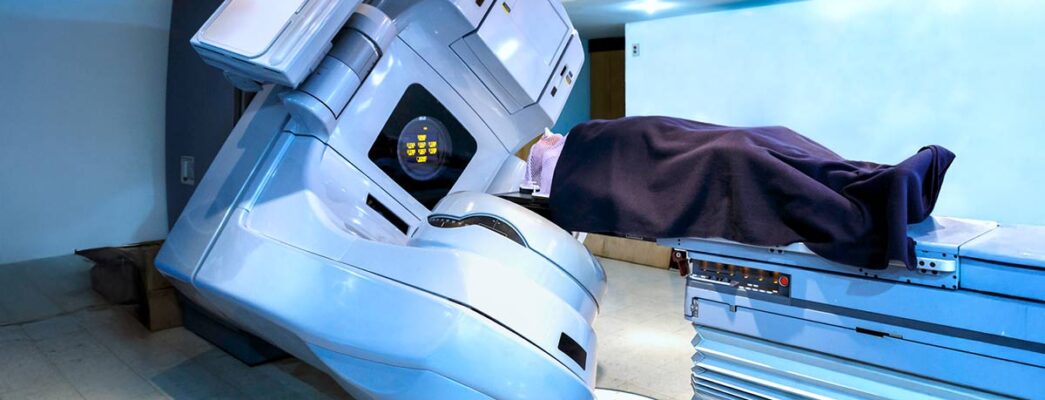
Mesothelioma proton therapy may offer a more precise option by delivering radiation directly to the tumor and stopping there.
Get our Free Mesothelioma Guide for comprehensive details on treatment options, emerging therapies, and what to expect if you or a loved one has been diagnosed with this cancer.
What the HIT-MESO Trial Is Testing
The HIT-MESO clinical trial compares two different approaches to managing mesothelioma in patients who haven’t yet received major treatment.
- One group receives active surveillance. Doctors monitor the cancer closely with regular imaging scans and appointments. If the disease begins to grow, the care team starts treatment such as chemotherapy.
- The second group gets proton beam therapy. Patients attend daily treatment sessions for 5 weeks at a specialized center.
Researchers assign patients to each group at random. This helps ensure that the results reflect the treatment itself and not outside factors. The goal is to understand whether earlier, targeted radiation can improve outcomes compared to waiting and treating later.
How Proton Beam Therapy Works
Proton beam therapy uses charged particles instead of X-rays to deliver radiation. This difference changes how the treatment behaves inside the body.
With standard radiation, energy travels through the mesothelioma tumor and continues beyond it. Healthy tissues on the other side of the tumor receive radiation as well.
Proton therapy allows doctors to control where the radiation stops. The energy is released inside the tumor and doesn’t continue through the body in the same way.
Using proton therapy for mesothelioma can:
- Allow doctors to deliver higher, more effective doses
- Lower the risk of certain treatment side effects
- Reduce radiation exposure to nearby organs
For mesothelioma patients, this level of control can make radiation a safer and more practical option.
Curious about proton therapy? Our Oncology Nurse Navigator can review your diagnosis and help connect you with specialists and clinical trials. Contact us for free to get the answers you need.
What Researchers Hope to Learn
The HIT-MESO trial focuses on outcomes that matter to patients and families. Researchers want to know if proton therapy can help people live longer. They also want to understand how patients feel during and after treatment.
The HIT-MESO study is measuring:
- Overall survival, or how long patients live
- Progression-free survival, or how long the cancer stays stable
- Quality of life, including breathing, energy, and daily function
Early expectations suggest that proton therapy could increase 2-year mesothelioma survival rates from about 30% to as high as 50%. Researchers will confirm whether that improvement holds true as the trial continues.
Quality of life plays a central role in this study. Many patients want treatment that helps them stay active, independent, and comfortable. By reducing damage to healthy tissue, proton therapy may help patients maintain their daily routines for longer.
Why This Research Matters for Mesothelioma Patients
The HIT-MESO trial reflects a broader shift in cancer care. Doctors are moving toward treatments that target cancer more precisely while protecting healthy tissue.
If the trial shows strong results, proton therapy could become a more common option for mesothelioma patients. It could also expand who qualifies for radiation treatment, especially for patients who previously faced higher risks.
This kind of progress can lead to:
- More personalized treatment plans
- Safer use of radiation therapy
- Longer life expectancy for patients
For a disease with limited treatment options, even one new approach can make a meaningful difference. Even if you don’t live in the UK, this trial still matters. It helps answer questions that can influence treatment options in the United States and other countries.
Get Clarity on Your Mesothelioma Treatment Options
Breakthroughs like the HIT-MESO trial are opening the door to more precise, personalized approaches to mesothelioma care. But with new options comes a lot of uncertainty, especially when you’re trying to understand what may be right for your situation.
Our nurses and Patient Advocates can:
- Explain how newer approaches like proton therapy could help
- Look into clinical trials that may be a good fit for you
- Connect you with experienced mesothelioma specialists
- Answer questions about what to expect from treatment
There’s no cost to speak with our team. Call (866) 608-8933 or get our Free Mesothelioma Guide shipped overnight to learn more about treatment options, clinical trials, and different ways to cover your medical costs.