
Mesothelioma Treatment Access by State: Where Patients Fall Through the Gaps
By comparing mesothelioma rates with specialist availability, we found that some U.S. states have much larger gaps in access to medical care.
Read StudyConnect with our Patient Advocates for personalized support.
Call Us Contact Us
As part of our patient advocacy work, Mesothelioma Hope conducts original research into asbestos exposure, public health risks, treatment access, and disparities in mesothelioma care across the country.
We combine data from government agencies, medical directories, court records, and other sources with original reporting and analysis to identify trends and gaps that may affect mesothelioma patients and their families.
Data sourced from:
By comparing mesothelioma rates with specialist availability, we found that some U.S. states have much larger gaps in access to medical care.
Read Study
Our analysis found significant differences in asbestos compliance at public schools across the United States, with some states falling well behind others.
Read StudyMesothelioma Hope conducts research using a combination of publicly available information, internal directories and databases, and original reporting and analysis.
Key information sources include:
We also draw from our own rigorously maintained databases and incorporate additional insight from internal experts.
Finally, our editorial team reviews each study before it’s published to ensure the information is accurate and the source material is current.
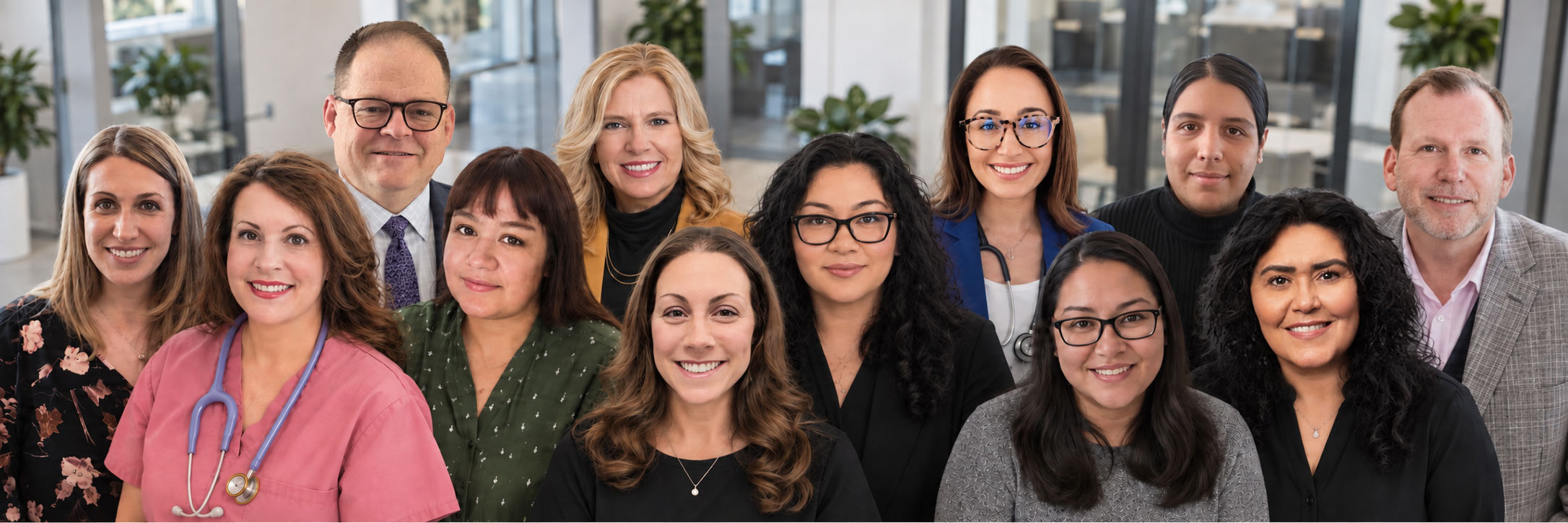
Mesothelioma Hope has advocated for people affected by mesothelioma and asbestos exposure for over 25 years. Our team includes registered nurses, Patient Advocates, veterans, journalists, social workers, and legal professionals.
We work directly with people facing mesothelioma and the family members who support them. That might mean helping someone find a specialist or access financial assistance after a diagnosis. We also raise awareness about asbestos exposure and the harm it continues to cause.
Research gives us another way to support that work. By studying trends across the country and within individual communities, we can bring more attention to problems that affect patients on a daily basis.
Our team includes:
Journalists and other members of the media are welcome to reach out to Mesothelioma Hope with questions about our research, requests for data, or help finding expert sources.
Yes. We perform our own analysis using public records, government databases, and internal sources.
Depending on the research, we may compare data across states, examine trends over time, or bring together information from multiple sources to identify patterns that could affect people with mesothelioma.
The information we use may come from government databases, medical research, court records, physician directories, historical asbestos data, and other materials relevant to the topic.
Mesothelioma Hope chooses sources based on the needs of each project and lists the main ones alongside the published study. We also consider the limits of the available data when reviewing our findings.
Our research is developed and reviewed by members of the Mesothelioma Hope team, including journalists and professionals with experience in health care, patient advocacy, law, and the military.
The people involved can vary by project. Each study also goes through editorial review before publication to verify the data, sourcing, and conclusions.
Mesothelioma Hope is an advocacy and support organization. We aren’t a law firm or medical provider, and our research isn’t a substitute for professional medical or legal advice.
We help people with mesothelioma and their families understand the disease, find support, and learn about options that may be available to them. When someone needs professional medical or legal guidance, we can help connect them with qualified experts.
Disclaimer: Mesothelioma Hope’s research is for informational and educational purposes. It isn’t medical or legal advice. Talk with a qualified medical professional about your health or a licensed attorney about your legal rights.