
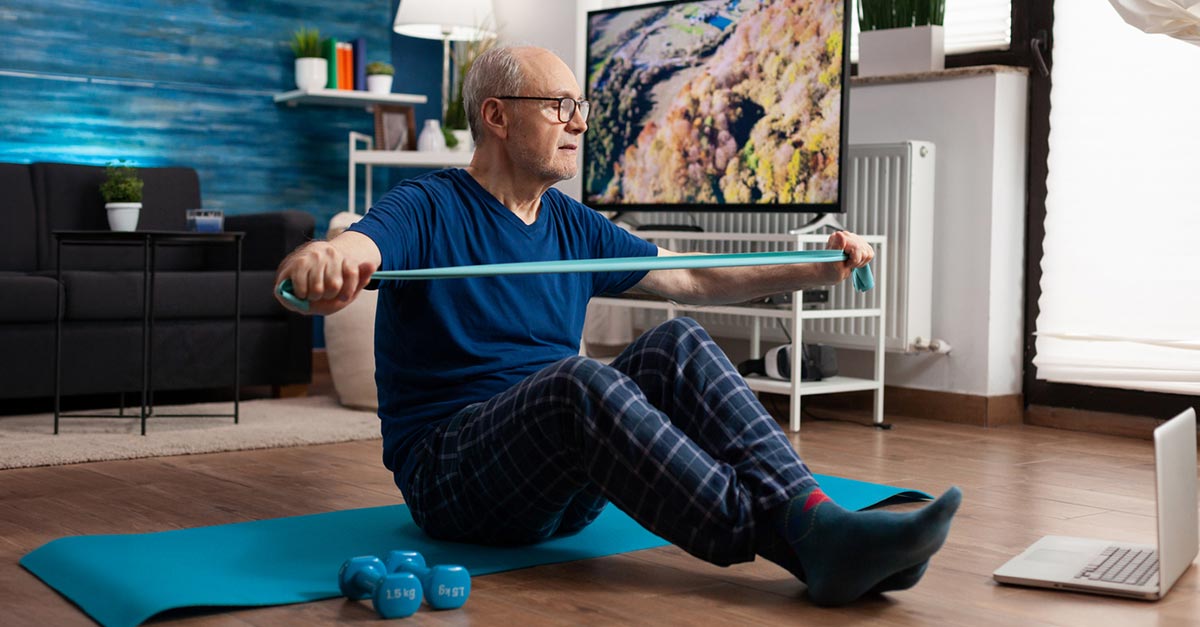


A mesothelioma diagnosis can change how your body feels and what you’re able to do from one day to the next. But movement can still be beneficial during treatment, even if it looks different than it did before.
Walking, stretching, chair yoga, swimming, and light strength training are just a few ways to stay active. Mesothelioma symptoms and treatment side effects can affect energy, breathing, and mobility, so some days may allow for more activity while others call for more rest.
Exercise doesn’t need to be intense to support your health. Explore the benefits of movement, gentle ways to stay active, and tips for exercising safely with mesothelioma.
How Movement Can Support You During Mesothelioma Treatment
All of us can benefit from moving our bodies, including those living with a cancer diagnosis. Light exercise and movement may help reduce some treatment side effects, improve mood and sleep, and maintain muscle and bone strength.
Regular movement may help:
- Improve mood and sleep quality
- Increase strength and improve balance
- Maintain independence and daily mobility
- Preserve muscle and bone strength
- Reduce fatigue and treatment side effects
- Support heart and lung health
Staying active can also give you some routine during treatment and help you continue doing the things you enjoy. The goal isn’t to push yourself to exercise the way you did before your diagnosis, but to find movement that works for you now.
Get our Free Mesothelioma Guide for information on symptoms, treatment options, specialists, and resources for you and your family.
Gentle Ways to Stay Active During Treatment
Movement doesn’t have to be big. Walking, chair yoga, water aerobics, swimming, biking, or even strength training using your own body weight can all be worthwhile ways to stay active.
Light to moderate activities may support heart and lung health while helping you maintain strength. Think outside the box and adjust activities as needed to meet your individual needs and energy level.
One of our support group participants shared how playing music has fit the ticket for exercise. Using your breath and muscles to play, carry, and set up an instrument can be a workout in its own way — and it boosts mood and happiness if it’s something you genuinely enjoy doing.
Tai chi and qigong are other options to consider. These mind-body practices combine gentle movement with rhythmic breathing and can offer a more meditative experience that promotes relaxation while keeping your body moving. Yoga and other supportive therapies may also be worth discussing with your care team.
How to Exercise Safely With Mesothelioma
Staying hydrated is especially important if you’re active outside or in warm weather. Listen to your body, avoid overexertion, and give yourself time to rest and recover.
Other safety tips include:
- Be mindful of balance and take steps to prevent falls.
- Exercise with a friend or loved one when you want extra support.
- Know whether your medications affect hydration or sun sensitivity.
- Rest when you need to instead of pushing through exhaustion.
- Stay hydrated, especially when exercising in warm weather.
- Try exercising at home or outside if you’re worried about crowded spaces.
A workout buddy can make movement more enjoyable and ensure you have someone nearby if you need help. It’s also important to know the possible side effects of your medications. Some drugs may make you more sensitive to sunlight or cause you to become dehydrated more quickly.
Give yourself grace. You may no longer be able to complete certain activities the way you once did, but that doesn’t mean you have to give them up completely. You may be able to modify an old favorite or find something new that feels good.
If your usual gym, fitness class, or other exercise spot has become too crowded or increases your risk of infection, look for something you can do at home or outdoors instead. Always talk with your medical team about your exercise plans so they can help you determine what’s safe for you.
Finding Movement That Fits Your Needs
What feels manageable can change from day to day during mesothelioma treatment. One day, you may feel up for a walk or a swim. On another, stretching from a chair or playing an instrument may be enough.
There isn’t one right way to stay active. Try different forms of movement and adjust them based on your energy, symptoms, and what you actually enjoy doing.
A physical therapist, rehabilitation specialist, or member of your care team may also be able to suggest activities that fit your needs. Palliative care and other supportive services can help manage symptoms that make movement or everyday activities more difficult.
Mesothelioma Support for Patients and Families
You don’t have to navigate mesothelioma on your own. Mesothelioma Hope offers resources for patients and families covering treatment, caregiving, and everyday challenges that can come with a diagnosis.
Mesothelioma Hope’s Patient Advocates can also help you:
- Find experienced mesothelioma specialists and cancer centers
- Explore financial assistance for treatment and related expenses
- Join our free monthly mesothelioma support group
- Navigate practical needs like travel and lodging for treatment
Call (866) 608-8933 or contact our team for help finding the care, information, and support that fit your needs.