

A mesothelioma diagnosis changes more than someone’s physical health. Medical bills, treatment appointments, and decisions about care all have to be managed alongside the emotional and logistical impacts of the disease — which can be both frightening and isolating.
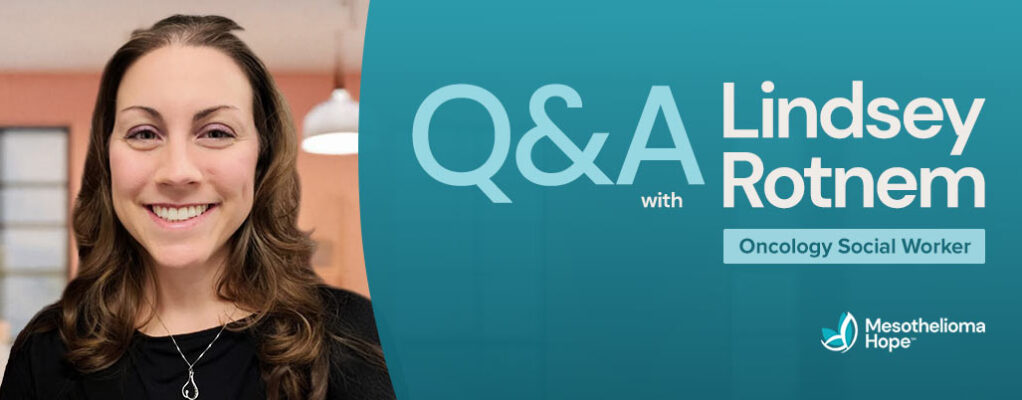
Lindsey Rotnem is a licensed independent social worker (LISW) who provides support for mesothelioma patients through her extensive background in oncology social work and support group leadership.
As Mesothelioma Hope’s support group leader, Lindsey brings her unique expertise and passion for helping patients and families navigate life after a cancer diagnosis.
We spoke with Lindsey about the challenges families face, the various types of help available, the benefits of mesothelioma supportive therapy, and how support groups can help patients and loved ones feel more grounded and connected.
Looking for online mesothelioma support groups? Join Lindsey in community with other patients and families at our next support group meeting.

What inspired you to get into social work?
I’ve always felt a calling to help others, even from a young age, which most likely came from how I was raised. My parents are very loving and giving people, and my grandmother, who died of cancer during my senior year of high school, was always supportive and volunteered her time to help others.
Watching her cancer journey sparked my interest in medical social work, specifically oncology and palliative care.
How is oncology social work different from other types of social work?
Oncology social work requires knowledge of symptoms and side effects of treatment in order to help patients process their experience. Having medical knowledge of certain procedures is vital to understanding a patient’s potential needs. It requires empathy, loads of emotional support, and lots of thinking outside the box.
Being knowledgeable of resources for specific diagnoses is also key to extending additional support.
How does a mesothelioma diagnosis impact the whole family?
Many people with mesothelioma find that they can no longer participate in activities the way they used to before their diagnosis, which can change what the family does — from vacations to traditions to household chores. Families may find themselves needing to adapt or help in ways they’ve never had to before.
The financial impact may increase stress, as well as grief and future loss, as families process their loved one’s diagnosis.
What are some of the ways you provide mesothelioma support?
Active listening can be so meaningful, especially for those patients who have limited support. Connecting others who can relate to similar experiences, exploring coping skills and new ways of living, and linking patients to appropriate resources are some of the ways I provide mesothelioma support.
How do you help patients cope with fear, uncertainty, or isolation after diagnosis?
Validating feelings and allowing space for the expression of emotions can help patients process their cancer experience. Educating them on coping skills for anxiety and depression, while discussing goals of care and end-of-life wishes, can also be helpful in reducing fear.
Connecting patients to appropriate resources — financial, spiritual, or practical — can also help reduce stress and fear of the unknown.
What’s your philosophy on leading the Mesothelioma Hope support group?
Having a safe, empathetic, and ethical atmosphere is important when leading a mesothelioma support group. I believe in having some structure — such as an educational piece — while allowing time for conversation and the needs and wants of the group to guide and shape the meeting. My goal is to provide an encouraging and empowering environment, ensuring everyone has the chance to speak and participate while being respectful of others.
Why are support groups valuable for cancer patients and their families?
Support groups provide a sense of community, allowing cancer patients and their caregivers to feel less isolated. Groups allow others to share ideas, creating a sense of meaning and purpose, while also learning new ways to adapt to living with cancer or caring for a loved one with cancer.
What do you hope people take away from the support group?
I hope people can feel less isolated as they connect with others who are going through a similar journey. I hope people can step away with some additional coping skills and ideas, and feel a sense of purpose by providing support to others while also gaining support for themselves.
Are there other resources you recommend beyond the support group?
Our team at Mesothelioma Hope can connect people with myriad resources, from medical guidance to financial assistance to supportive care options. We help patients get a second opinion for their diagnosis, determine what questions to ask their medical team, advocate for their care, file claims for legal compensation or VA benefits, and much more.
The type of resources people may need will depend on their individual circumstances, and the monthly group meetings are just one component of the comprehensive support we can provide. Our Patient Advocates can also recommend additional resources from nonprofit and government agencies as appropriate.
Get Mesothelioma Support Now
Mesothelioma Hope offers free resources for patients and caregivers to help with their medical, financial, and supportive care needs. If you or someone you love is navigating a mesothelioma diagnosis, we’re here for you.
We can help you:
- Find a doctor for an accurate diagnosis or second opinion
- Understand your treatment options and learn what to expect
- Connect with the mesothelioma community in our support group
Don’t face this cancer alone. Call us at (866) 608-8933 or sign up for our next support group meeting now.