
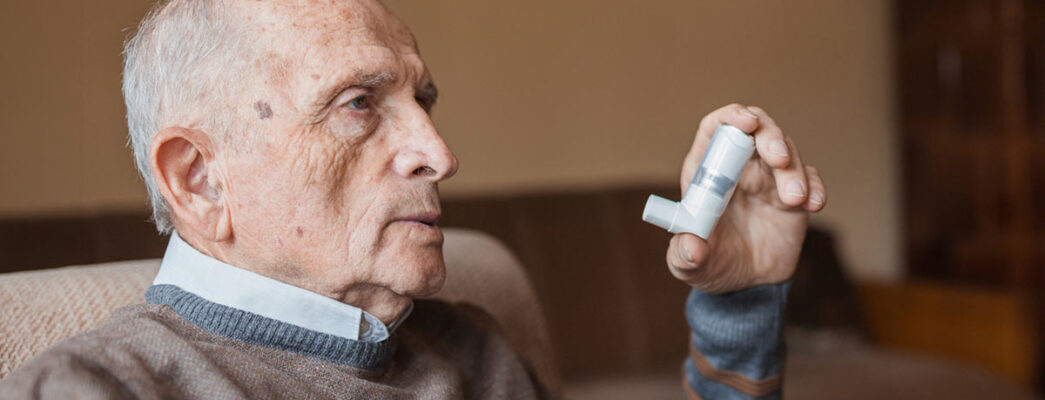


Several conditions can worsen mesothelioma by compromising lung function, straining the immune system, or limiting the body’s ability to tolerate treatment. A study published in the British Journal of Cancer found that 38% of pleural mesothelioma patients had at least one other health condition at the time of diagnosis.
The most significant include chronic respiratory diseases like COPD and asthma, fluid buildup in the chest or abdomen, and asbestos-related lung damage such as asbestosis. Lifestyle factors like smoking also play a major role, as do anemia and weakened immunity from comorbidities like diabetes or heart disease.

“A lot of patients have lung disease on top of mesothelioma from the combination of asbestos and potentially smoking. These combined factors can cause a major reduction in their pulmonary capacity, and how strong the patient’s lungs are is critical in determining how well they tolerate treatment.”
The good news: Most of these complicating factors are manageable. Catching them early can improve comfort, help patients maintain strength, and make treatment easier to tolerate.
Below, we break down which health conditions affect mesothelioma, why they matter, and what you can do to manage them.
8 Health Issues That Can Make Mesothelioma Worse
Several categories of health issues can complicate mesothelioma. Many of these can be caused or worsened by the asbestos exposure that caused the mesothelioma itself, while others develop as a consequence of the cancer or its treatment.
Here are 8 conditions that worsen mesothelioma:
- Chronic respiratory conditions like COPD, asthma, and pneumonia can reduce baseline lung function and limit the treatments a patient can safely undergo.
- Fluid buildup in the chest (pleural effusion) or abdomen (ascites) compresses organs, restricts breathing, and is linked to poorer survival outcomes.
- Asbestos-related conditions such as asbestosis and pleural plaques reduce respiratory reserves and can complicate imaging and surgical planning.
- Smoking damages airways, slows surgical recovery, suppresses the immune system, and raises the risk of developing lung cancer alongside mesothelioma.
- Anemia and blood-related complications starve tissues of oxygen, intensify fatigue and breathlessness, and are recognized as poor prognostic indicators.
- Poor nutrition and cachexia weaken the body’s ability to tolerate treatment, with cancer-related muscle wasting responsible for 20% of cancer deaths.
- A weakened immune system, which can be caused by the cancer itself, chemotherapy, or comorbidities like diabetes, leaves patients more vulnerable to infections and complications.
- Mental health challenges like chronic stress, anxiety, and depression can suppress immune function, reduce appetite, and make it harder to stay engaged with treatment.
Managing mesothelioma comorbidities early on can expand treatment options and help patients maintain their strength.
Get our Free Mesothelioma Guide for medically reviewed guidance on what to expect after a diagnosis and how to prepare for treatment.
Chronic Respiratory Conditions
About 80% of mesothelioma cases form in the lining of the lungs, or pleura. That makes any preexisting respiratory condition a serious complicating factor. These diseases reduce the baseline lung function that patients need to tolerate surgery, chemotherapy, and everyday activity.
Chronic respiratory conditions that worsen mesothelioma include:
- Asthma: A condition that causes airway inflammation and narrowing, which can worsen mesothelioma-related breathing problems. Flare-ups during cancer treatment can be more serious due to added stress on the body. Managing asthma alongside cancer care can help reduce complications.
- COPD (chronic obstructive pulmonary disease): A lung condition that shares symptoms with mesothelioma, including chronic cough and shortness of breath. When both conditions are present, lung function may be further limited, and some mesothelioma treatments may be less safe.
- Pneumonia and respiratory infections: Infections pose a higher risk for mesothelioma patients because cancer and treatments like chemotherapy weaken the immune system. They can lead to rapid decline and may delay or interrupt treatment. Staying up to date on vaccinations and reporting symptoms early can help reduce complications.
Any respiratory condition that reduces lung function makes mesothelioma harder to treat and harder to live with. Getting these conditions under control early and ensuring your oncology team is aware of them can help open the door to more treatment options.
Fluid Buildup
Fluid buildup is another common problem caused by the disease. In pleural mesothelioma, fluid collects around the lungs and makes breathing harder. It’s also linked to gastrointestinal conditions and peritoneal mesothelioma, where excess fluid in the abdomen can interfere with digestion.
Mesothelioma patients often face these types of fluid buildup:
- Pleural effusion: A buildup of fluid between the lungs and chest wall that affects 80% of mesothelioma patients. As fluid builds up, it compresses the lungs and makes breathing harder, causing chest pain, cough, and fatigue. Treatments like thoracentesis (draining the fluid) and pleurodesis (preventing it from returning) can help relieve symptoms.
- Ascites: A buildup of fluid in the abdomen seen in peritoneal mesothelioma. It causes swelling, discomfort, loss of appetite, and breathing difficulty as pressure pushes on the diaphragm. Treatment typically includes paracentesis (draining the fluid) along with care for the underlying cancer.
A 2025 study in Scientific Reports found that pleural effusion is associated with poorer overall survival and cancer-specific survival, regardless of the patient’s age, cancer stage, or treatment approach. This is particularly impactful for patients undergoing surgery.
Fluid buildup is almost universal for mesothelioma patients, but early palliative care can improve breathing and quality of life.
Asbestos-Related Conditions
Because mesothelioma is caused by asbestos exposure, many patients already have other asbestos-related damage to their lungs by the time they’re diagnosed.
These conditions don’t make mesothelioma spread faster, but they can make breathing harder and limit which treatments are safe.
The two most common asbestos-related conditions include:
- Asbestosis: A chronic lung disease caused by inhaling asbestos fibers. It leads to scar tissue in the lungs, which makes breathing harder and reduces oxygen flow into the bloodstream. When combined with mesothelioma, it can significantly limit lung function and may affect whether surgery is an option.
- Pleural plaques: Thickened, calcified areas that form on the lining of the lungs after asbestos exposure. They’re not cancerous and may not cause symptoms, but they’re a clear sign of past exposure. They can make imaging scans harder to interpret and make it more difficult to track tumor progression accurately.
If you’ve been exposed to asbestos, there’s a good chance your lungs have been damaged. Making sure your care team has a complete picture of your asbestos-related conditions helps them plan treatment around your actual lung capacity.
Smoking
Smoking doesn’t directly cause mesothelioma, but for patients who’ve already been diagnosed, it can significantly worsen their situation. Smoking damages the airways and air sacs, further limiting lung function.
The combination of smoking and asbestos exposure is especially dangerous. Studies show smokers with asbestos exposure are 50 times more likely to develop lung cancer.
Smokers with mesothelioma tend to:
- Be at risk of other types of cancer
- Experience more complications
- Have a suppressed immune system
- Recover more slowly from surgery
Quitting is one of the most impactful steps you can take to support your treatment. Your care team can help you build a plan to stop smoking.

“People do have better outcomes after they quit smoking, even if they already have cancer. Treatments are tolerated better in people who don’t smoke. There are fewer complications and respiratory infections.”
Anemia & Blood-Related Complications
Anemia (a shortage of red blood cells or hemoglobin) is a common concern for cancer patients, including those with mesothelioma. It can be caused by the cancer itself, chemotherapy, or nutritional deficiencies.
Beyond feeling tired, low hemoglobin levels can cause dizziness, weakness, difficulty concentrating, and shortness of breath. All of these symptoms compound the breathing issues that mesothelioma already causes.
Elevated lactate dehydrogenase (LDH) levels, low hemoglobin, and significant weight loss are all recognized as poor prognostic indicators for mesothelioma.
Anemia also reduces the body’s ability to deliver oxygen to tissues that are healing after treatment. Addressing anemia through nutritional therapy, dietary supplements, or medical intervention can help patients maintain energy and better tolerate treatment.
Poor Nutrition & Cachexia
Diet and nutrition play a larger role in mesothelioma outcomes than many patients realize. Cancer and the methods used to treat it can suppress appetite, cause nausea, create mouth sores, and make it difficult to chew or swallow — all of which contribute to malnutrition.
Known as a syndrome of progressive weight loss and muscle wasting, cachexia affects 50-80% of advanced cancer patients and is responsible for roughly 20% of cancer-related deaths.
Maintaining good nutrition can support your health in several ways:
- Calories help prevent unhealthy weight loss.
- Fluids help your body process treatments.
- Nutrient-rich foods support your immune system.
- Protein helps maintain muscle and repair tissue.
Working with a registered dietitian experienced in oncology can help patients develop a personalized nutrition plan. Mesothelioma survivor Arthur “Art” Putt experienced this firsthand.
After chemotherapy irritated his esophagus, his wife and daughter, both nurses, created a medicinal blend of immune-boosting ingredients delivered through a feeding tube.
“At one time, doctors told me I’d never eat solid food again,” Art reflects, “but we showed them wrong.” After weeks on the mixture, Art was healthy enough to eat solid foods again.
Looking for more guidance on staying strong during treatment? Get our Free Mesothelioma Survivors Guide to read practical tips from other patients.
Weakened Immune System
Mesothelioma and its treatments can weaken the immune system. Cancer can affect how the immune system responds, and chemotherapy can lower white blood cell counts, making it harder for the body to fight infection.
This weakened state means that conditions like diabetes, heart disease, and chronic kidney disease can become harder to manage and may accelerate disease progression. Patients with multiple chronic conditions often require more careful coordination between specialists to ensure that treating one condition doesn’t worsen another.
The key is to keep all these conditions under control so the body can fight mesothelioma. Interestingly, having a comorbidity can sometimes lead to more frequent medical visits, which may contribute to earlier cancer detection and a better overall prognosis.
Mental Health & Psychological Stress
The psychological toll of a mesothelioma diagnosis shouldn’t be underestimated. Chronic stress, anxiety, and depression can suppress immune function, reduce appetite, disrupt sleep, and make it harder for patients to stay engaged with their treatment plans.
Emotional challenges have measurable physiological effects that can influence how well the body responds to cancer treatment. Addressing mental health is an essential part of mesothelioma care. Support groups, counseling, and connecting with other survivors can provide both emotional relief and practical guidance.
“You’ve got to keep a positive attitude. One day, you’re very up, and one day, you’re down,” 15-year mesothelioma survivor Mary Jane Williams once shared. “And you’re allowed to have your down days because that’s just normal.”
The Virtual Mesothelioma Hope Support Group meets once a month and is available for mesothelioma patients as well as their families and caregivers. Sign up to join our next meeting now.
How to Manage Mesothelioma & Related Conditions
A mesothelioma diagnosis brings uncertainty, but understanding the conditions that can complicate the disease gives patients and their families a real advantage.
Here are the most important steps you can take:
- Ask for referrals to pulmonologists, dietitians, and mental health professionals who can help address other concerns alongside your cancer treatment.
- Communicate openly with your medical team about all existing health conditions, not just the cancer. A full picture of your health helps your doctors make better treatment decisions.
- Prioritize nutrition and hydration as foundational supports for your treatment journey. Consider working with an oncology dietitian.
- Quit smoking if you haven’t already. It’s never too late to benefit, and your care team can help make the process easier.
- Seek a second opinion if you have a history of asbestos exposure and were initially diagnosed with a condition like COPD, asthma, or pneumonia. Mesothelioma is frequently misdiagnosed as a more common respiratory illness.
- Stay on top of preventive care, including routine screenings, to catch complications early.
When patients work closely with a multidisciplinary care team to address their health issues, they give themselves the best chance at improved quality of life.
Contact Mesothelioma Hope for Free Support
If you or a loved one has been diagnosed with mesothelioma, our Patient Advocates are here to help at no cost to your family. You don’t have to navigate this alone.
Our team of Patient Advocates can help:
- Connect you with experienced mesothelioma specialists
- Explain your treatment options and potential side effects
- Guide you toward financial resources that can ease the burden of care
- Get you signed up for the Mesothelioma Hope Support Group

“At Mesothelioma Hope, our goal is to foster a space where patients and caregivers can share, connect, and feel less alone. We’re in this together.”
Get our Free Mesothelioma Guide or call (866) 608-8933 for personalized support today. Our Patient Advocates are available 24/7.