
Caring for Someone With Mesothelioma
Stepping in as a caregiver to a loved one with mesothelioma can bring up many different emotions. It’s normal to experience sadness, worry, or exhaustion. At the same time, you may also find a sense of purpose and meaning in being present for someone you love.
Mesothelioma caregivers play a vital role in a patient’s day-to-day life. You might be the one who manages appointments, drives them to treatment, helps with daily tasks such as cooking or grocery shopping, and offers emotional support during difficult moments.
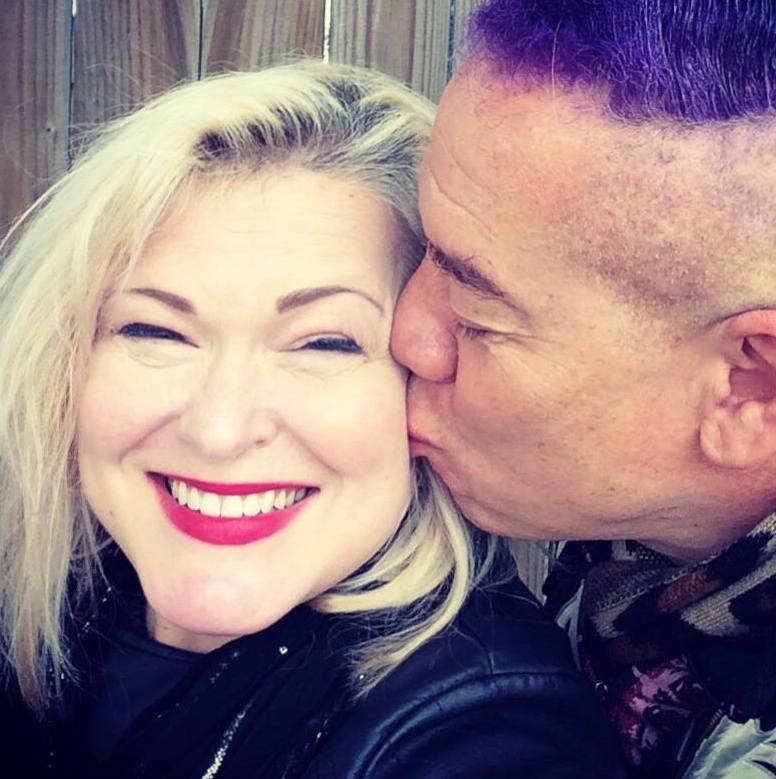
“My wife is always going to be there for me, and I’m honored to always be there for her. Look what we’ve already gone through together. We can make it through anything as long as we’re holding hands.”
However, caregiving can quickly become physically and emotionally taxing. It’s critical for caregivers to get help from family and friends, as well as community members, support groups, and other organizations.
Download our Free Self-Care for Caregivers Guide to help you manage stress, find balance, and maintain your strength as you continue to support a mesothelioma patient you love.
Mesothelioma Caregiver Duties
Some of the duties of a mesothelioma caregiver include helping manage the patient’s treatment plan, talking with doctors and specialists, and handling everyday household tasks. Whenever possible, sharing these responsibilities with family members and friends can make them more manageable and help prevent burnout.
Spouses
Spouses often take on the role of primary caregiver, leading the mesothelioma patient’s care plan and recruiting others to help. In many cases, they also look into mesothelioma treatments that could help the patient live longer and manage their symptoms.
Ways spouses can stay organized include:
- Reaching out to family and friends with clear requests for help
- Holding regular check-ins to keep everyone informed about patient needs
- Using a calendar or shared list to stay on top of caregiving tasks
If other family members can’t provide help, spouses can turn to friends, church members, or neighbors. Ultimately, spouses are likely closest to the patient and can provide a deeper level of comfort and support that others may not be able to offer.

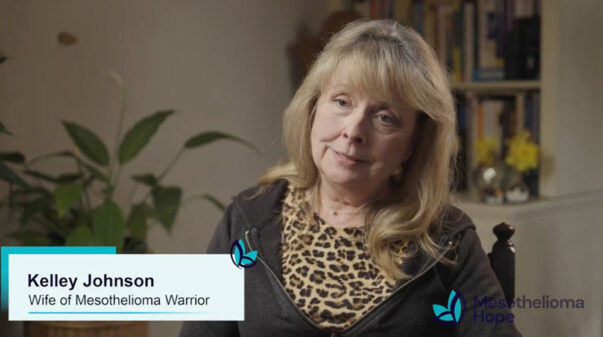
Caregiving is a crucial aspect of a mesothelioma diagnosis. Learn how Kelley Johnson cared for her husband Jimmy as he battled pleural mesothelioma. We can help you find caregiving resources to make life easier if a loved one has mesothelioma. Call (866) 608-8933 to learn more. View Transcript.
Duration: 1 min 30 sec
Kelley: My name is Kelley Johnson and my husband, Jimmy Johnson, has mesothelioma.
Jimmy is the official moneymaker, but I had to come off the road too, to be his caregiver and his advocate.
I can’t imagine somebody that is just jumping into a mesothelioma world can even grasp it, because there’s so many entities. You’ve got the legal world. You’ve got the medical world. You’ve got all this hitting you in the face, and you’re trying to protect your spouse like you would protect your child. And that’s what I do for Jimmy.
Jimmy: We’ve been married 38 years, we’ve been together 42 years. And without her, I probably wouldn’t be sitting here. She’s helped me get through all this. She’s my rock, she does everything.
With having this disease, I can’t even walk to the mailbox to get the mail. She takes care of basically everything. She’s constantly asking me anything you need, anything you need, anything you need. I’m very thankful for that.
Kelley: I wish he felt better, but he could be laying in a hospital bed gasping, and he’s not. I’m glad I’m there for him. And I would just hope everybody had an advocate like me.
Adult Children
When parents are older, in poor health, or without a spouse, adult children may step in to provide mesothelioma caregiving. In some families, grown children become the main point of support while also balancing work and their own households.
Grown children can provide support by:
- Driving their parent to appointments and taking detailed notes
- Helping with chores around the house
- Hiring a nurse or home health aide
- Visiting their parent regularly to keep them company
This can be demanding, especially for children who live far away or are raising families themselves. Dividing tasks among siblings, setting realistic expectations, and reaching out for outside support can make the experience less overwhelming.
Siblings
Close siblings can offer emotional support as well. For example, siblings may be able to recount fond childhood memories no one else would know. This can be a great comfort to cancer patients.
Siblings can also serve as primary mesothelioma caregivers if the patient’s spouse and children can’t, or step in if they simply need a break. In this way, siblings can help ease pressure on the main caregivers and contribute to a more balanced support system.
Siblings can be there by:
- Caring for the patient’s children or pets
- Driving their sibling to medical appointments
- Offering emotional support and care

“When you have a loved one fighting for their life, I promise you that you will find yourself standing right beside them, fighting just as hard.”
Grandchildren
Grandchildren, whether young or grown, can also play an important role in supporting a loved one with mesothelioma. Younger grandchildren may bring joy, distraction, and a sense of normalcy to their grandparent’s life.
Older grandchildren can help with practical tasks such as running errands, setting up technology for virtual calls and appointments, or assisting with household chores.
Other Family & Friends
Although mesothelioma mainly affects those over the age of 70, younger patients may rely on their parents for care. If the patient is married, parents can support the spouse’s caregiver duties. In other cases, a parent may serve as a primary caregiver.
Additionally, mesothelioma patients often have friends or other relatives who are willing to provide support. For veterans with mesothelioma, this may include the men and women they served with in the past.
Sometimes, friends and extended family may not be sure how to help. They can start by staying in regular communication with the patient and their mesothelioma caregivers to understand their specific needs.
Mesothelioma Caregiver Resources
Caring for someone with mesothelioma can affect every part of your life. While this responsibility can feel overwhelming, various support resources are available to help relieve some of the pressure. Learn about mesothelioma caregiver support resources below.
Medical Information
Understanding this cancer and its treatment options can help mesothelioma caregivers feel more confident and less anxious. Your loved one’s doctor is the best source for details about the stage of the disease, available treatments, and what to expect moving forward.
A study published in the European Journal of Cancer Care found that caregivers who lacked information about mesothelioma or were uncertain about their loved one’s prognosis reported higher stress levels. To address this, caregivers can turn to trusted medical professionals for guidance.
Mesothelioma Hope’s Patient Advocates are also available to answer questions, explain medical terms in plain language, and help families prepare for doctor visits. Contact us for free help and support 24/7.
Mesothelioma Caregiver Support Groups
Joining a mesothelioma support group can help connect you with other caregivers and provide a safe place to speak openly about your emotions and challenges. Support groups are available in person, online, and over the phone.

“Support groups provide a sense of community, allowing cancer patients and their caregivers to feel less isolated. Groups allow others to share ideas, allowing for a sense of meaning and purpose, while also learning new ways to adapt to living with cancer or caring for a loved one with cancer.”
Other support group options include:
- American Cancer Society (ACS) Caregiver Resources: The ACS provides tips, tools, and emotional support so caregivers can manage the daily challenges of helping a loved one with cancer.
- CancerCare – Spouses/Partners Group: This national organization hosts free 15-week support groups led by licensed social workers to help spouses and partners of cancer patients cope emotionally and connect with others.
- Caregiver Action Network: This nonprofit organization provides free education, peer support, and resources to family caregivers across the country.
- Family Caregiver Alliance (FCA): The FCA offers practical advice and resources to help caregivers balance their responsibilities and care for themselves.
- Grief Share: Through this faith-based organization, caregivers can attend support groups at a local church or online. These meetings help participants process the loss of a loved one through shared experiences and guided discussions.
If you’d rather speak to someone one-on-one, peer mentor programs are also available. These match new mesothelioma caregivers with experienced volunteers who have been in a similar situation.
Mesothelioma Hope offers a free virtual support group for caregivers and patients. Led by a licensed independent social worker, our group allows participants to share experiences and ask questions without feeling judged. Join our Mesothelioma Support Group now.

Respite Care
Respite care provides a temporary break for mesothelioma caregivers to recharge while ensuring their loved one continues to receive safe and reliable support.
Some families arrange short visits from relatives or friends so the caregiver can step away for a few hours. Others use professional home care services or short-term stays at assisted living facilities.
Respite care for mesothelioma is also available through:
- Community Programs: Local cancer organizations, faith-based groups, and agencies on aging may offer respite support, volunteer caregiving, or small grants to help families access temporary relief.
- Palliative & End-of-Life Care: Many palliative care programs provide respite services, giving mesothelioma caregivers scheduled breaks while trained professionals care for their loved ones.
- VA Respite Benefits: Veterans with mesothelioma may qualify for up to 30 days of respite services each year through the U.S. Department of Veterans Affairs (VA). Care can be provided at home, in VA facilities, or at community care centers.
Using respite care isn’t a sign of weakness. It’s a practical way to protect your well-being, which ultimately benefits the patient as well.
Financial Support
One of the more common mesothelioma caregiver struggles is financial stress. Many caregivers need to take time off work, pay for home health care, or contribute to expenses that medical insurance doesn’t cover.
The Family and Medical Leave Act (FMLA) allows caregivers to take unpaid, job-protected time off to help a loved one during cancer treatment or recovery. While FMLA doesn’t provide direct financial support, it protects your job so you can return to work when your caregiving duties lessen.
Because mesothelioma is caused by asbestos exposure, patients and families may qualify for financial assistance. Companies that manufactured or used asbestos products can be held responsible, and specific funds have been created to support victims and their caregivers.
Available options for compensation include:
- Legal settlements with asbestos companies
- Payouts from asbestos trust funds
- Mesothelioma caregiver grants and financial support programs
5 Tips for Mesothelioma Caregivers
Supporting someone with mesothelioma means adjusting your daily routines and responsibilities in ways you might not expect.
Here are five tips that can help:
- Prepare for your new role. Gather as much information as you can so you know what to expect. Mesothelioma Hope has many free resources we can share, and our Patient Advocates are always here to answer any questions you may have.
- Accept help. Caregiving is a team effort, and you can’t bear the weight of it alone. Whether it’s from other family members, friends, community members, or volunteers, it’s important for you to get support.
- Take care of your own needs. Mesothelioma caregiver burnout is a very real problem, so you need to take care of yourself first. This includes taking breaks, prioritizing your physical and mental health, and asking for help.
- Find community. Support groups and peer mentor programs provide a safe place to share your experience. Mesothelioma Hope recently launched a Virtual Support Group where you can find encouragement and practical advice from others who are on the same journey.
- Know your rights if you’re working. If you need to take time off work to care for a loved one, you are entitled to do so under FMLA.
By learning what to expect, leaning on others, and seeking community, you can create a more sustainable path forward to care for a loved one with mesothelioma.
Signs of Mesothelioma Caregiver Burnout
Feeling burned out as a mesothelioma caregiver is more common than you may realize. A survey by AARP and S&P Global found that 84% of caregivers reported higher daily stress because of their responsibilities.
Some of the reasons caregiving can be so stressful are the competing demands with other things going on in your life, the lack of privacy and alone time, and the blurred lines between supporting a loved one and acting as part of their medical care team.
According to Cleveland Clinic, signs of caregiver burnout may include:
- Changes in your sleep patterns
- Emotional and physical exhaustion
- Feelings of hopelessness
- Neglecting your own health
- Withdrawal from family and friends
If you find yourself struggling with these or any other signs of mesothelioma caregiver burnout, don’t be afraid to ask for help. Consider seeking out emotional support from a licensed therapist, counselor, or other mental health professional.
Get help caring for your own needs so you are best equipped to take care of your loved one — download our Free Mesothelioma Self Care for Caregivers Guide now.
The Importance of Mesothelioma Self-Care
The importance of self-care cannot be stressed enough for mesothelioma caregivers. By caring for yourself, you’ll be in better shape to help your loved one.
Regardless of how you show up for a family member with mesothelioma, make sure that you continue to take care of yourself.
Mesothelioma self-care may include:
- Eating healthy meals
- Getting plenty of sleep
- Prioritizing regular exercise
- Visiting a mental health professional if you notice signs of depression or anxiety
Check out our 6 Tips for Mesothelioma Self-Care to learn other practical ways to prioritize your well-being and stay as healthy as possible.
Caregiving for a Veteran With Mesothelioma
One-third of mesothelioma patients are veterans due to the widespread use of asbestos on ships and military bases during the 20th century. If you’re caregiving for a veteran with mesothelioma, you may have additional options to support them.
Caregiving considerations for veterans include:
- Recognizing veterans’ risks. Since veterans are more likely than the general population to be exposed to asbestos and develop mesothelioma, it’s important to advocate for your loved one. Work with a mesothelioma specialist and get a second opinion if needed.
- Medical treatment at VA hospitals. Veterans can get low- or no-cost treatment at VA mesothelioma hospitals if they were exposed to asbestos during their military service.
- Therapy and emotional support. Being diagnosed with a terminal illness can trigger a lot of challenging emotions. Caregiving may involve listening, providing encouragement, and helping your loved one connect with professional support from VA therapists — especially if they have PTSD or other mental health concerns.
Veterans with mesothelioma may also qualify for tax-free disability compensation worth $4,158.17 a month, aid and attendance, pensions, and other resources from the VA.
Long-Distance Mesothelioma Caregiving
If you live in a different city, state, or country from your loved one when they’re diagnosed with mesothelioma, it can add an additional layer of emotion.
In some situations, you may be able to relocate so you can care for your loved one — but sometimes that just isn’t possible. Thankfully, there are still ways to provide long-distance care.
Long-distance loved ones can support mesothelioma patients by:
- Calling, texting, or video chatting to keep their spirits high
- Exploring ways to help them pay for treatment, like travel grants, VA benefits, and mesothelioma claims
- Researching new cancer treatments being tested in clinical trials
- Sending care packages to their home after treatment
- Watching their pets while they’re in the hospital
Even from afar, your role as a caregiver matters deeply. Your efforts can bring comfort and strength, proving that meaningful caregiving doesn’t always require being physically present.
Get Mesothelioma Caregiver Support Today
No matter how much you love the mesothelioma patient in your life, caregiving comes with challenges. Whether you’re a spouse, close relative, or friend, remember there are many ways to get support.
Mesothelioma Hope’s registered nurses and Patient Advocates can help you:
- Connect with local mesothelioma specialists
- Determine how your loved one will pay for treatment
- Find a mesothelioma support group or peer mentor
- Locate respite care so you can rest and recharge
- Prioritize your physical and emotional well-being
Call us any time at (866) 608-8933. You can also download our Free Self-Care for Mesothelioma Caregivers Guide for practical tips and advice to help you care for yourself and your loved one.
Mesothelioma Caregiver Support FAQs
What are the challenges faced by caregivers of cancer patients?
Caregivers of cancer patients, including those with mesothelioma, encounter a mix of emotional, physical, and financial hardships.
- Emotionally, it can be overwhelming to watch a loved one’s health decline while trying to stay strong and encouraging. Mesothelioma caregivers may experience depression, anxiety, or anticipatory grief (sadness that comes from grieving a loss before it happens).
- Physically, the demands of assisting with daily tasks, providing transportation, and attending appointments can lead to fatigue or other health issues.
- Financially, many caregivers face reduced income if they have to change their work schedule or leave their jobs to provide care. At the same time, they often juggle medical bills, travel costs for treatment, and other unexpected expenses related to their loved one’s mesothelioma diagnosis.
The challenges of caregiving for a mesothelioma patient extend well beyond providing medical or physical help. Mesothelioma caregivers need comprehensive support to handle these stressors.
What are the unmet needs of mesothelioma cancer caregivers?
Mesothelioma caregivers often struggle with gaps in support. Because this cancer is so rare, many caregivers lack clear medical guidance about symptom management, recovery times, and treatment side effects. This can leave them unsure how to best help at home.
Emotional support is also limited, as caregivers may not know where to turn for counseling or peer mentorship.
The Mesothelioma Hope team helps bridge these gaps by offering one-on-one support from nurses and Patient Advocates who can explain confusing medical details and answer caregiving questions.
We also connect caregivers with trusted resources, including VA benefits assistance, financial aid programs, and mesothelioma caregiver support groups. Call us today at (866) 608-8933 to get the support you need.
What not to say to a mesothelioma cancer caregiver?
Mesothelioma caregivers carry a heavy emotional and physical load, so comments that minimize their experience can feel hurtful. Phrases like “Stay positive,” “I know how you feel,” or “At least…” can come across as dismissive.
Unsolicited advice about treatments or comparisons to someone else’s cancer journey can also add unneeded stress.
Instead, it’s best to listen, acknowledge their anxiety, and offer specific ways to help. Simple statements like “I’m here for you” or “How can I help?” can go a long way in showing empathy and support.
Who are the caregivers of palliative care patients?
For mesothelioma patients, caregivers in palliative care are most often family members such as spouses, adult children, or siblings. They provide daily help with tasks like medication, mobility, and scheduling appointments.
Friends and extended relatives may also take on caregiving responsibilities. In addition, palliative care teams often include hospice nurses, social workers, and volunteers who can share the workload and offer professional medical guidance.
What do mesothelioma caregivers need the most?
Mesothelioma caregivers need reliable resources and a strong support system to continue supporting their loved one.
Some of their biggest needs include:
- Clear communication from health care providers
- Access to financial and legal resources
- Respite care opportunities to prevent burnout
- Encouragement from friends and family
Meeting these needs helps caregivers stay resilient and capable of giving quality care. Just as patients deserve care, their caregivers need to feel seen, supported, and valued.