

Like most people, you may have never heard the term “Oncology Nurse Navigator” until getting a mesothelioma diagnosis. You may be trying to understand treatment options, compare specialists, or figure out whether you should pursue a second opinion or clinical trial.
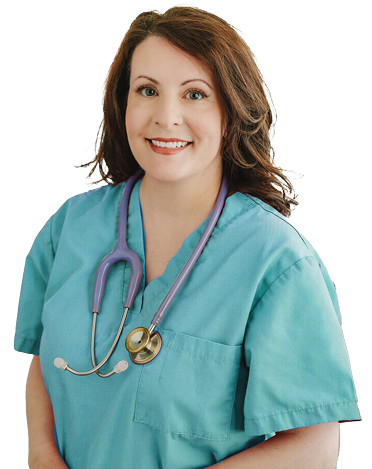
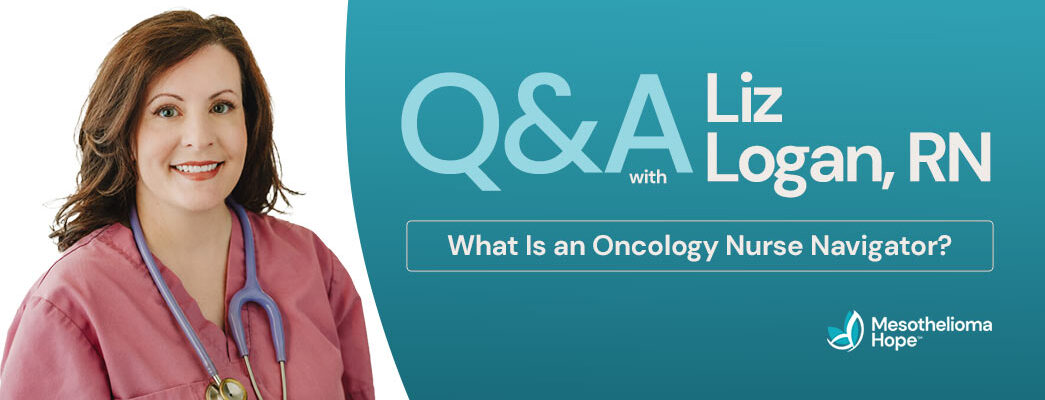
Enter Mesothelioma Hope’s Oncology Nurse Navigator Liz Logan, RN. Liz works directly with mesothelioma patients and caregivers as they manage appointments, treatment decisions, and side effects.
A Board-Certified Patient Advocate and member of the Academy of Oncology Nurse & Patient Navigators (AONN+), Liz has spent decades committed to supporting patients through their most challenging moments.
Below, Liz shares more about her role, the support she provides families, and how she helps patients navigate mesothelioma treatment. If you have a question of your own while reading, you can submit it directly to Nurse Liz.
What is an Oncology Nurse Navigator?
An Oncology Nurse Navigator is someone patients and families can turn to throughout the cancer journey. I work alongside your medical team, but my role is different.
Your oncologist focuses on diagnosing and treating mesothelioma itself. It’s my job to help you understand what’s happening, feel more prepared for making medical decisions, and know where to go when questions come up between appointments.
As an Oncology Nurse Navigator, I help patients:
- Understand their diagnosis and treatment options
- Find mesothelioma specialists and clinical trials
- Prepare questions for doctor appointments
- Navigate cancer symptoms and treatment side effects
- Address any other concerns that come up
A big part of being a nurse navigator is helping patients feel less lost in the health care system. Part of my day-to-day is explaining confusing things in simple language and helping patients understand what questions to ask or where to turn for support.
Have a specific question for an Oncology Nurse Navigator? Fill out the form below to get an answer directly from Nurse Liz, who’s standing by to offer free guidance and support.
Why is having an Oncology Nurse Navigator important for mesothelioma patients?
Because mesothelioma is rare, many patients find themselves navigating a system that isn’t straightforward. Not every provider has experience treating this disease, and patients may receive very different recommendations depending on where they go for care.
Having an Oncology Nurse Navigator gives patients a consistent point of contact throughout that process. Instead of trying to piece everything together alone, they have someone who can help explain information clearly, answer questions as they come up, and guide them toward mesothelioma specialists and cancer centers.
I also think it helps patients feel less intimidated. A lot of people are afraid of asking the wrong question or admitting they don’t fully understand something they heard during an appointment. Having someone they can talk to openly and honestly can make navigating treatment feel much more manageable.
When do mesothelioma patients first connect with you?
A lot of people connect with me very early after receiving a mesothelioma diagnosis and prognosis from their doctor. They’ve usually spent hours online reading information that feels overwhelming or contradictory, and they want someone to help break things down clearly.
Others reach out when they’re weighing difficult decisions about next steps. They may be considering joining a clinical trial or trying to figure out how they’ll cover the cost of mesothelioma treatment. Some are also searching for experienced mesothelioma specialists or wondering whether a second opinion could help.
There are patients who come to me because they feel stuck. Maybe they’ve been told they don’t have many options. Others feel unsure whether they’re seeing the right doctors for this disease.
Even a single conversation can help patients feel more informed and better prepared for the decisions ahead.
What happens during that first call with you?
The first call is really about understanding where the patient and their family are right now.
I usually start by asking about the diagnosis, symptoms, treatment plan, and biggest concerns. Every family’s situation is different, so I want to understand what information would be most helpful for them at that moment.
A lot of patients are still processing the shock of diagnosis during that first conversation. They may have just learned they have mesothelioma and are suddenly being asked to make decisions about surgery, chemotherapy, immunotherapy, or travel for treatment.
We may talk about:
- Caregiver concerns
- Clinical trials or second opinions
- Finding mesothelioma specialists
- Questions to ask doctors
- Side effects and symptom management
- Support groups and educational resources
- Understanding available treatments
It can feel like a lot of information at once, but I tailor what I share based on each patient’s unique situation. My goal is to help them feel more organized, answer questions clearly, and make sure they know they have support moving forward.
What does a typical day look like in your role?
No two days really look the same. I may spend the morning helping a newly diagnosed patient understand their pathology report and then spend the afternoon speaking with a caregiver who’s exhausted and trying to arrange travel for treatment appointments.
A large part of my day involves answering questions from patients and families. They may want help understanding treatment recommendations, preparing for appointments, learning more about clinical trials, or figuring out whether certain symptoms should be brought to their doctor’s attention.
There’s also a lot of emotional support involved in this work. Mesothelioma patients can feel very isolated because the disease is rare. Many families don’t know anyone else who has gone through this experience, so they’re trying to process difficult information while feeling completely out of their element.
Being available to answer questions and help guide families through those moments is a huge part of what I do.
My family is overwhelmed. Can you help them, too?
Absolutely. Mesothelioma affects entire families, not just the patient.
Caregivers are taking on so much behind the scenes. They’re helping coordinate appointments, keeping track of medications, managing work and family responsibilities, and trying to support their loved one emotionally at the same time.
I spend a lot of time talking with spouses, children, and other caregivers because they need support, too. Sometimes they have questions about treatment or side effects. Sometimes they need help finding educational resources or support groups. Sometimes they just need reassurance that what they’re feeling is normal.
I always encourage caregivers to ask for help when they need it. You can’t pour from an empty cup.
Will you still be there once I start mesothelioma treatment?
Yes. My role doesn’t end once treatment begins. I stay connected with patients and families throughout the entire process.
When treatment starts, there are usually even more questions because now patients are dealing with the day-to-day reality of care. That can include treatment schedules, side effects, scans, medications, follow-up appointments, and concerns that come up between visits with their medical team.
Patients may experience fatigue, appetite changes, pain, chemo brain, anxiety, or other symptoms they weren’t expecting. Caregivers are trying to keep track of medical information while also supporting their loved one through treatment.
I’m there to help patients and families work through those moments as they come up. That may mean answering questions about side effects, helping families prepare for appointments and procedures, talking through new concerns, or helping patients understand what to expect during different stages of treatment.
What should mesothelioma patients know about clinical trials?
Clinical trials are an important topic of conversation for mesothelioma patients. Researchers are continuing to study newer therapies and combinations of treatments.
Some patients think joining a clinical trial means they’ve run out of treatment options, but that’s not necessarily true. Many clinical trials for mesothelioma are testing treatments that may give patients access to promising therapies earlier in their care journey.
I always encourage patients to ask questions about what a trial involves, whether they may qualify, and how it compares to standard treatments. Because mesothelioma is such a rare cancer, it’s especially important to speak with specialists who are familiar with current research and emerging treatments.
I’ve spoken with many families who felt discouraged before learning there were still additional treatment paths worth exploring.
Can you help with things beyond medical care?
Yes, because a mesothelioma diagnosis creates a lot of challenges that have nothing to do with treatment itself.
Families are suddenly making decisions they never expected to face. They may be trying to figure out whether they can travel for treatment, how to talk with children or relatives about the diagnosis, or how to balance normal life responsibilities while everything feels uncertain.
I’ve spoken with patients who wanted to know which questions to ask before getting a second opinion. I’ve talked with caregivers who were trying to organize paperwork, coordinate communication between family members, or find ways to make daily routines feel more manageable during treatment.
I also talk with families about coping skills and emotional health because cancer affects people mentally and emotionally, too. That can mean helping patients find counseling, peer mentors, support groups, or healthy ways to manage stress and anxiety during treatment.
People deserve support for the human side of cancer, too, not just the medical side.
What’s your role in the Mesothelioma Hope Support Group?
I co-lead our monthly virtual support group alongside our moderator, Oncology Social Worker Lindsey Rotnem, LISW. My role is to help guide discussions, answer questions, and foster a supportive environment for participants.
Our support group gives patients and caregivers a place to connect with people who understand what mesothelioma is really like.
Because this cancer is rare, many families don’t know anyone else personally who has gone through it. That can feel very isolating. Support groups give people a space to ask questions, share experiences, and hear from others facing a similar diagnosis.
Some people join because they’re looking for information, while others join because they simply want to feel less alone.
Connect With Nurse Liz for Mesothelioma Support
Mesothelioma comes with a lot of questions, and many of them happen outside the doctor’s office. You may be weighing treatment decisions, trying to organize care for a loved one, or looking for someone who understands what this diagnosis actually looks like day to day.
Nurse Liz can help you:
- Make sense of treatment plans and medical terms
- Find mesothelioma specialists and clinical trials
- Prepare for appointments and major decisions
- Navigate caregiving and family conversations
- Explore peer mentors and other resources
No question is too small, and you don’t need to wait until you have everything figured out. Call Nurse Liz at (866) 608-8933 or contact Mesothelioma Hope to get one-on-one guidance from someone who understands the realities of this cancer.