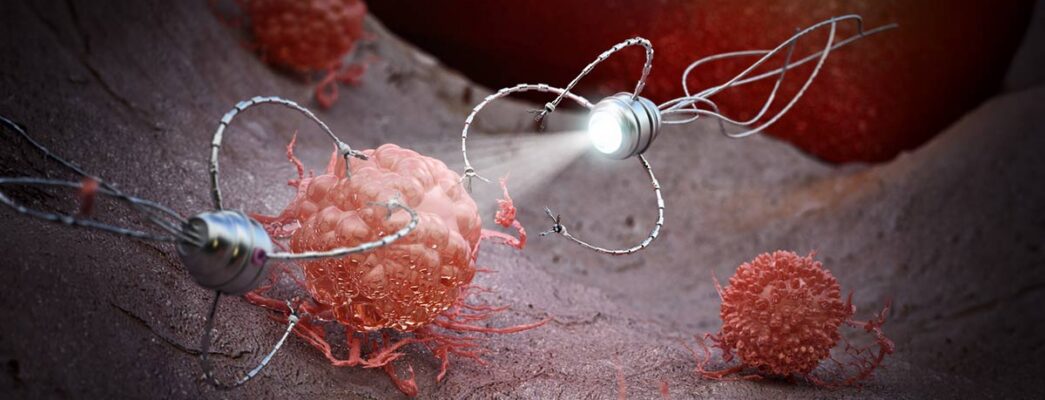


Scientists are studying whether tiny devices called nanorobots could one day make cancer treatments more precise.
Researchers at the University of Basel developed nanorobots that can be guided with magnets and designed to target specific cells. In an early lab study, they tested the nanorobots on HeLa cells, a human cervical cancer cell line commonly used in cancer research.
After 72 hours, only about 16% of the cancer cells remained viable, suggesting the treatment had killed or disabled most of the cells.
The technology is still in its early stages, but nanorobots could one day make cancer treatment more precise while limiting damage to healthy cells.
What Are Nanorobots, and Could They Help Treat Mesothelioma?
Nanorobots are extremely small devices designed to perform specific tasks. Scientists are exploring whether cancer-fighting nanorobots could help deliver or create treatments where they’re needed.
Researchers at the University of Basel tested their nanorobots on laboratory-grown cancer cells. They didn’t test them on mesothelioma cells or people diagnosed with mesothelioma.
The research involved:
- Tiny nanorobots designed to move toward and attach to specific cells
- Cancer cells grown in a laboratory rather than cancer in a person
- Enzymes carried by the nanorobots that helped create an anticancer drug near the targeted cells
- 72 hours of testing to measure how many cancer cells remained viable
The study found that the nanorobots could reach targeted cancer cells and help create an anticancer drug nearby. After 3 days, the nanorobots reduced cell viability by roughly 84%.
While the results are promising, more research is needed before scientists can determine whether this approach can safely treat cancers like mesothelioma, including animal studies and, eventually, human clinical trials.
Get our Free Mesothelioma Guide to learn more about treatment options, clinical trials, and support resources that could help you or a loved one.
How Do Nanorobots Kill Cancer Cells?
One simple way to think about nanorobots is as tiny delivery vehicles. Researchers hope they could eventually bring cancer-fighting treatments directly to cancer cells.
In the University of Basel study, the process worked like this:
- Researchers guided the nanorobots with magnets. This helped move the tiny devices toward a specific area.
- The nanorobots attached to cancer cells. Researchers designed them to recognize and attach to certain cells.
- The nanorobots carried enzymes. Enzymes are substances that help chemical reactions happen.
- The enzymes helped create an anticancer drug. The drug formed close to the targeted cancer cells.
- The treatment killed or damaged cancer cells. After 72 hours, only about 16% of the cells were still viable.
These results are encouraging, but it’s important to note they came from cancer cells grown in a laboratory. Researchers don’t yet know whether the same approach would safely kill cancer cells in the human body.
Could Nanorobots Target Mesothelioma in the Future?
Nanorobots are not currently available as a mesothelioma treatment, and researchers have not tested the University of Basel nanorobots against mesothelioma. However, scientists are exploring similar ways to target mesothelioma cells more precisely.
One potential target is mesothelin, a protein found in high amounts on many mesothelioma cells. In another study published in March 2026, researchers tested a treatment designed to recognize mesothelin and deliver radiation therapy to mesothelioma tumors. The treatment slowed tumor growth and improved survival in mice.
Researchers have not yet developed a mesothelin-targeting nanorobot for mesothelioma. However, studies like these show how scientists are working toward treatments that attack cancer cells more precisely while limiting effects on healthy cells.
“The drug can have a concentrated local effect if we use our nanorobot to specifically target it to the cancer cells,” explained Dr. Voichita Mihali, the University of Basel study’s first author.
More research is needed to determine whether nanorobots could eventually be used to treat mesothelioma.
Get Help Fighting Mesothelioma Cancer
Research into approaches like nanorobots could lead to new ways of treating cancer in the future. If you or a loved one has mesothelioma, you can also get help navigating your diagnosis and care today.
Mesothelioma Hope’s Patient Advocates can:
- Connect you with local mesothelioma specialists
- Explain available treatments and what to expect
- Help you find clinical trials for your diagnosis
- Answer questions about financial assistance
Contact our team or call (866) 608-8933 to speak with a Patient Advocate and get personalized support to help you fight mesothelioma.