

Mesothelioma is one of the hardest cancers to treat, and researchers are always searching for new options — especially when it stops responding to chemotherapy and immunotherapy.
Not every advance in cancer care starts with a brand-new medicine. Sometimes it begins with finding a new use for a treatment that’s already available.
Amivantamab is a lung cancer drug that’s already approved to treat certain people with non-small cell lung cancer (NSCLC). Now researchers are studying whether amivantamab could also help treat pleural mesothelioma, which forms in the lung lining 10-50 years after asbestos exposure.
The early findings point to something promising:
- A treatment with an established safety record
- A mechanism that attacks mesothelioma on two fronts
- Potential to fight one of the most aggressive cell types
Together, those factors suggest that with more research, amivantamab could be another option for mesothelioma patients — a meaningful first step to improving more lives.
What Is Amivantamab?
Amivantamab is a targeted cancer therapy designed to seek out cancer cells, lock onto them, and interfere with their ability to grow.
It’s already approved to treat certain types of lung cancer, which means scientists already understand a good deal about how it works and what side effects to watch for.
But amivantamab doesn’t fit neatly into a single category like other treatments:
- It isn’t chemotherapy, which attacks fast-dividing cells throughout the body and affects healthy cells as well as cancerous ones. Amivantamab is built to home in on cancer cells while largely leaving healthy cells alone.
- It works on two targets at once: Most targeted antibody therapies bind to a single protein on cancer cells. Amivantamab is a “bispecific” antibody, meaning it grabs onto two proteins (EGFR and MET) that sit on the surface of many cancer cells and help them grow and survive. Blocking both at the same time can shut down growth signals that other drugs might miss.
- It can act like immunotherapy by calling in the immune system. Once amivantamab binds to a cancer cell, it flags the cell to the body’s immune cells and directs them to attack.
So the drug really works on multiple fronts: It blocks the cancer’s growth signals like a targeted therapy, and it recruits the immune system like an immunotherapy. That combination is a big part of why researchers thought it was worth testing for mesothelioma.
Get our Free Mesothelioma Guide to learn more about your diagnosis, treatment options, and where to find support.
How Researchers Tested Amivantamab for Mesothelioma
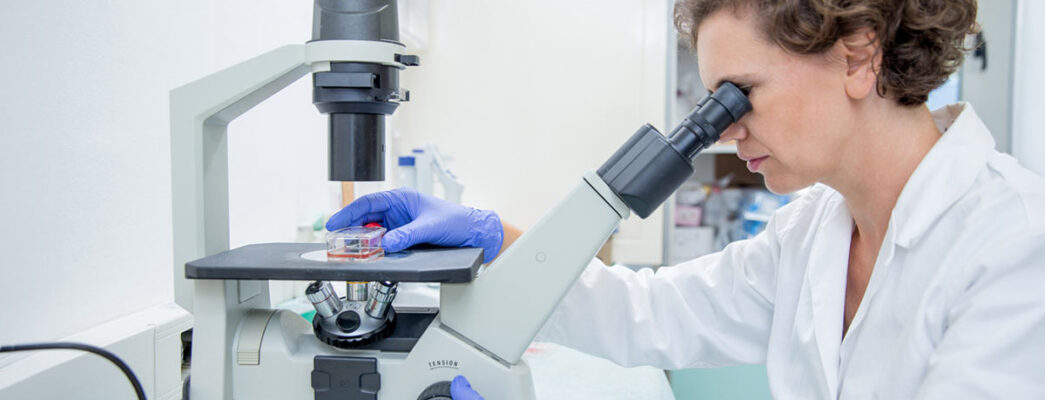
Because this was early research, the scientists worked in the lab rather than with patients. Their goal was twofold: to see whether mesothelioma cells actually carry the two targets amivantamab is built to attack, and to test whether the drug could trigger a meaningful response.
To do that, researchers:
- Examined mesothelioma tumor samples and cell lines to measure how often EGFR and MET appear together
- Tested the amivantamab drug on lab-grown mesothelioma cells to see how it affected them
- Combined the drug with immune cells — including natural killer (NK) cells — to see whether it could prompt an immune attack on the cancer
- Studied the drug in mice carrying human mesothelioma tumors, giving them human NK cells so they could observe the immune response
Taken together, this step-by-step approach let the researchers build their case carefully — first confirming the targets were there, then testing whether the drug could act on them, and only then moving into living models.
Amivantamab and Mesothelioma: What Early Lab Research Found
The researchers first confirmed that EGFR and MET frequently appear together on mesothelioma tumor cells, which made amivantamab a logical drug to try.
When they tested it, several things happened:
- It attached to the tumor cells and blocked some of the growth signals the cancer relies on.
- It pulled those target proteins off the cell surface, reducing the cancer’s ability to use them.
- It rallied the immune system, the drug’s most powerful effect. Amivantamab “tagged” tumor cells, so natural killer cells would recognize and destroy them, a process scientists call antibody-dependent cellular cytotoxicity.
- It significantly slowed tumor growth in mice with no obvious harmful side effects in these models — in one case reducing tumor growth by roughly 89%.
An earlier version of this research also hinted that sarcomatoid mesothelioma, usually the hardest cell type to treat, might respond especially well. Amivantamab fights cancer directly while bringing in the immune system to help.
What These Early Findings Mean for Mesothelioma Patients
Mesothelioma has few treatments that directly target the tumor itself, so any new approaches are worth paying attention to.
Amivantamab has a few distinct advantages:
- A two-pronged attack. Amivantamab doesn’t just block the cancer’s growth signals — it also recruits the body’s own immune cells to attack the tumor, which could be more powerful than older approaches that relied on a single pathway.
- A head start. Because amivantamab is already approved and studied in other cancers, researchers already understand a lot about how it behaves and what side effects to watch for, which could help move it into mesothelioma trials more efficiently.
- Hope for a hard-to-treat subtype. The early signal that sarcomatoid mesothelioma might respond is encouraging, since patients with that form often have the fewest options.
Research like this is a reminder that scientists around the world are actively working to find new and better ways to treat mesothelioma.
While it may take time for early findings to reach patients, every study adds to the momentum — and to the hope — for people facing this diagnosis.
Get Help for Mesothelioma Cancer Today
If you or someone you love has been diagnosed with mesothelioma, you don’t have to face it alone. For over 25 years, Mesothelioma Hope has provided personalized medical, financial, and emotional support to patients, families, and caregivers at every step of the journey.
Our Patient Advocates can help you:
- Understand your diagnosis
- Connect with experienced specialists
- Explore treatment options
- Learn how to join clinical trials
Hope is only a phone call away. Call us at (866) 608-8933 to speak with a Patient Advocate, or reach out through our contact form to learn how we can help.